
Discover how to revolutionize your supply chain with our step-by-step framework for implementing agentic AI. Unlock efficiency, reduce costs, and stay ahead of the competition with actionable insights and expert guidance.
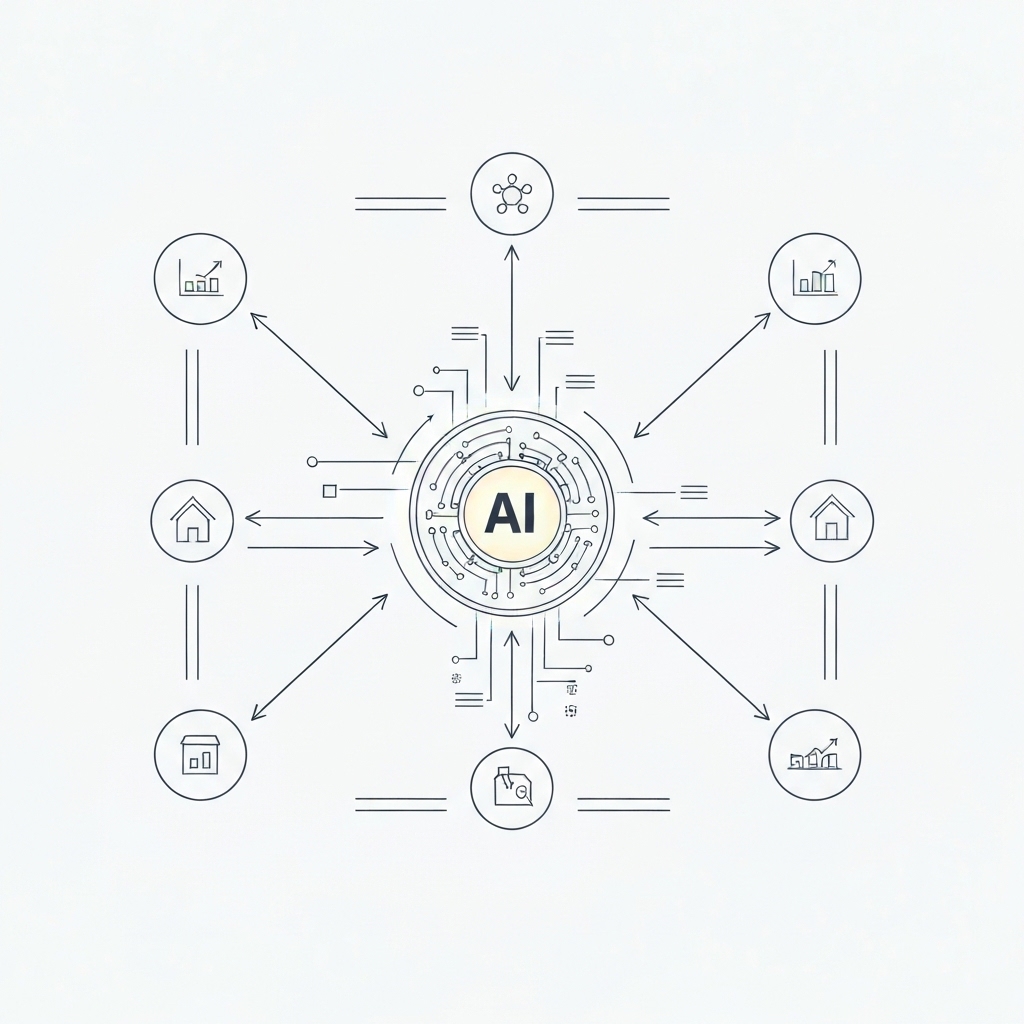
In today’s fast-paced, data-driven world, supply chain management extends far beyond the simple movement of goods. It’s about optimizing every step, predicting disruptions, and delivering value at scale. Enter Agentic AI—a transformative technology that empowers autonomous decision-making, real-time problem-solving, and proactive optimization across the supply chain.
This article provides a step-by-step framework for implementing Agentic AI in your supply chain, helping you unlock efficiency, reduce costs, and stay ahead of the competition. Whether you’re a seasoned logistics professional or just starting to explore AI, this guide offers actionable insights and practical strategies to drive success.
What is Agentic AI, and Why Does It Matter for Supply Chains?
Agentic AI refers to AI systems that act autonomously, learn from data, and make decisions with minimal human intervention. Unlike traditional AI, which is reactive, Agentic AI is proactive, anticipating challenges and optimizing processes in real time.
In supply chain management, Agentic AI can:
- Predict demand fluctuations and adjust inventory levels accordingly.
- Optimize routing to reduce transportation costs and delivery times.
- Identify potential disruptions (e.g., weather, geopolitical events) and suggest alternatives.
- Enhance supplier collaboration by automating communication and negotiations.
By integrating Agentic AI, businesses can achieve end-to-end visibility, agility, and resilience—critical advantages in today’s volatile market.
Step 1: Assess Your Supply Chain Readiness
Before diving into implementation, evaluate your supply chain’s current state. Ask yourself:
- What are your pain points? (e.g., inventory overstock, delayed deliveries, high operational costs).
- What data do you have? Agentic AI thrives on high-quality, structured data.
- What’s your tech infrastructure? Ensure compatibility with AI tools and platforms.
Actionable Tip: Conduct a SWOT analysis (Strengths, Weaknesses, Opportunities, Threats) to identify areas where Agentic AI can deliver the most impact.
Step 2: Define Clear Objectives and KPIs
Successful AI implementation starts with clear goals. Define what you want to achieve with Agentic AI, such as:
- Reducing lead times by 20%.
- Lowering inventory holding costs by 15%.
- Improving order accuracy to 99.9%.
Key Performance Indicators (KPIs):
- Cost savings: Reduction in operational and transportation costs.
- Efficiency: Faster order processing and delivery times.
- Resilience: Number of disruptions avoided or mitigated.
Actionable Tip: Align your objectives with your organization’s broader business goals for maximum impact.
Step 3: Build a Robust Data Foundation
Agentic AI is only as good as the data it processes. Ensure your data is:
- Clean: Free from errors and inconsistencies.
- Comprehensive: Includes all relevant supply chain touchpoints (e.g., suppliers, warehouses, distributors).
- Real-time: Enables immediate decision-making.
Tools to Consider:
- Data lakes for centralized storage.
- IoT sensors for real-time tracking.
- APIs for seamless data integration across systems.
Actionable Tip: Start with a pilot project focusing on a specific area (e.g., inventory management) to test data quality and AI performance.
Step 4: Select the Right Agentic AI Tools and Platforms
Choosing the right technology is critical. Look for platforms that offer:
- Autonomy: Ability to make decisions with minimal human intervention.
- Scalability: Can grow with your business.
- Integration: Works seamlessly with your existing systems.
Popular Agentic AI Solutions:
- IBM Watson Supply Chain: For demand forecasting and risk management.
- Blue Yonder: For inventory optimization and order fulfillment.
- Kinaxis: For supply chain planning and execution.
Actionable Tip: Partner with vendors who offer customization and ongoing support to ensure long-term success.
Step 5: Develop a Change Management Strategy
Implementing Agentic AI isn’t just a tech upgrade—it’s a cultural shift. Employees need to understand the value of AI and how it complements their roles.
Steps to Drive Adoption:
- Communicate the vision: Explain how Agentic AI benefits the team and the business.
- Provide training: Equip employees with the skills to work alongside AI.
- Start small: Roll out AI in phases to build confidence and trust.
Actionable Tip: Assign a change champion to lead the transition and address concerns.
Step 6: Monitor, Measure, and Iterate
Once Agentic AI is live, continuous monitoring is essential. Track your KPIs and gather feedback to identify areas for improvement.
Best Practices:
- Regular audits: Ensure AI decisions align with business goals.
- Feedback loops: Incorporate learnings to refine AI models.
- Scalability checks: Ensure the system can handle increased demand or complexity.
Actionable Tip: Use dashboards to visualize performance metrics and share insights across teams.
Step 7: Future-Proof Your Supply Chain
Agentic AI is not a one-time investment—it’s an ongoing journey. Stay ahead by:
- Exploring emerging technologies: (e.g., blockchain for transparency, drones for last-mile delivery).
- Adapting to market trends: (e.g., sustainability, customer expectations).
- Investing in talent: Build a team with AI and supply chain expertise.
Actionable Tip: Allocate a budget for R&D to experiment with new AI applications.
Real-World Success Stories
- Walmart: Uses Agentic AI to optimize inventory and reduce stockouts, improving customer satisfaction.
- Maersk: Leverages AI for predictive analytics, reducing shipping delays and costs.
- Unilever: Implements AI-driven demand forecasting to align production with market needs.
These examples demonstrate the transformative potential of Agentic AI when implemented strategically.
Conclusion: The Future of Supply Chain Management is Agentic
Implementing Agentic AI in your supply chain is a game-changer—but it requires a structured approach. By following this step-by-step framework, you can unlock unprecedented efficiency, resilience, and competitiveness.
Start small, measure impact, and scale intelligently. The future of supply chain management is here, and Agentic AI is your ticket to staying ahead.
Ready to transform your supply chain? Begin with a clear vision, robust data, and the right tools. The journey may be challenging, but the rewards are well worth it.