Discover how AI-powered HR metrics revolutionize employee performance and team management. Unlock data-driven insights to optimize productivity, engagement, and retention for your workforce.
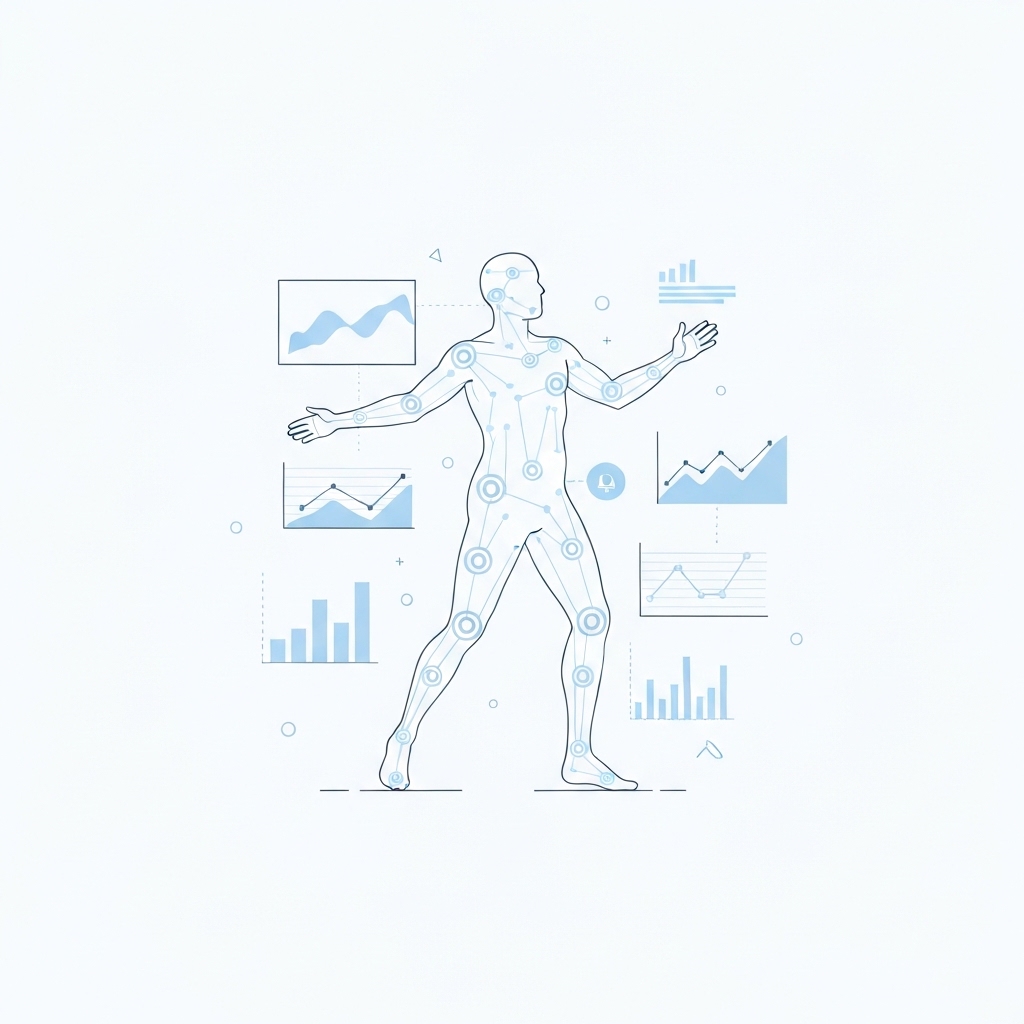
In today’s fast-paced business environment, organizations are increasingly turning to technology to gain a competitive edge. Among the most transformative tools is AI-powered HR metrics, which is revolutionizing how companies measure, analyze, and optimize employee performance and team management. By leveraging data-driven insights, businesses can make informed decisions that boost productivity, engagement, and retention. This article explores the role of AI in HR metrics, its benefits, and practical strategies for implementation.
Why AI-Powered HR Metrics Matter
Traditional HR metrics often rely on manual data collection and subjective assessments, which can lead to inaccuracies and inefficiencies. AI-powered HR metrics, on the other hand, harness the power of machine learning, natural language processing, and predictive analytics to provide real-time, actionable insights. These tools enable HR professionals to:
- Identify trends and patterns in employee behavior and performance.
- Predict turnover risks and address them proactively.
- Personalize employee development plans based on individual strengths and weaknesses.
- Optimize team dynamics by analyzing collaboration and communication patterns.
By integrating AI into HR practices, organizations can move beyond reactive decision-making to a proactive, strategic approach that drives long-term success.
Key AI-Powered HR Metrics to Track
To maximize the impact of AI in HR, it’s essential to focus on metrics that align with organizational goals. Here are some critical areas where AI can make a significant difference:
1. Employee Engagement
Engagement is a cornerstone of productivity and retention. AI tools can analyze survey responses, email communications, and even facial expressions during virtual meetings to gauge employee sentiment. For example, natural language processing (NLP) can identify keywords and phrases that indicate dissatisfaction or enthusiasm, allowing HR teams to address issues before they escalate.
Metric to Track: Engagement Score – A composite score derived from multiple data points, including survey feedback, participation in company initiatives, and communication patterns.
2. Performance Predictability
AI can predict employee performance by analyzing historical data, such as past projects, feedback from peers, and learning behaviors. Predictive analytics can help identify high-potential employees and areas where additional training or support is needed.
Metric to Track: Performance Risk Index – A score that predicts the likelihood of an employee underperforming based on factors like attendance, task completion rates, and feedback trends.
3. Turnover Risk
Employee turnover is costly, both in terms of time and resources. AI can identify patterns that precede resignations, such as changes in productivity, communication frequency, or engagement levels. By flagging at-risk employees early, HR teams can intervene with targeted retention strategies.
Metric to Track: Turnover Probability Score – A metric that calculates the likelihood of an employee leaving within the next 6–12 months based on behavioral and performance data.
4. Team Collaboration
Effective teamwork is critical for achieving organizational goals. AI can analyze communication patterns, project outcomes, and feedback to assess team dynamics. For instance, tools like Slack or Microsoft Teams can provide insights into collaboration frequency, inclusivity, and conflict resolution.
Metric to Track: Team Collaboration Index – A score that measures the quality and frequency of interactions within and across teams.
5. Learning and Development
AI can personalize learning paths by analyzing an employee’s skills, performance data, and career aspirations. Adaptive learning platforms can recommend courses, workshops, or mentorship opportunities tailored to individual needs.
Metric to Track: Skill Development Progress – A metric that tracks an employee’s progress in acquiring new skills and competencies over time.
How AI Enhances Employee Performance
AI-powered HR metrics don’t just provide data—they empower organizations to take actionable steps to improve employee performance. Here’s how:
1. Personalized Feedback and Coaching
AI can analyze performance data to provide personalized feedback and coaching recommendations. For example, if an employee consistently misses deadlines, AI can suggest time management training or tools to improve productivity.
2. Real-Time Performance Monitoring
AI enables continuous performance monitoring, allowing managers to identify and address issues in real time. This eliminates the need for traditional annual reviews, which often fail to capture day-to-day performance nuances.
3. Gamification and Incentives
AI can power gamification platforms that reward employees for achieving specific goals or demonstrating desired behaviors. This not only boosts motivation but also fosters a culture of continuous improvement.
4. Bias Reduction
Human bias can inadvertently influence performance evaluations. AI algorithms, when properly trained, can provide objective assessments based solely on data, ensuring fairness and transparency.
Improving Team Management with AI
AI isn’t just about individual performance—it’s also a powerful tool for optimizing team dynamics and productivity. Here’s how:
1. Optimal Team Composition
AI can analyze employee skills, personalities, and working styles to recommend the best team compositions for specific projects. This ensures that teams are balanced and equipped to achieve their objectives.
2. Conflict Resolution
By monitoring communication patterns, AI can detect early signs of conflict within teams. HR professionals can then intervene with mediation or team-building activities to restore harmony.
3. Resource Allocation
AI can predict workload and resource needs based on project timelines and team capacity. This helps managers allocate resources effectively and prevent burnout.
4. Diversity and Inclusion
AI can identify gaps in diversity and inclusion efforts by analyzing hiring, promotion, and retention data. This enables organizations to implement targeted initiatives that foster a more inclusive workplace.
Implementing AI-Powered HR Metrics: Best Practices
Adopting AI in HR requires careful planning and execution. Here are some best practices to ensure success:
1. Start with Clear Objectives
Define what you want to achieve with AI-powered HR metrics. Whether it’s improving retention, boosting engagement, or optimizing performance, having clear goals will guide your strategy.
2. Invest in the Right Tools
Choose AI platforms that align with your organization’s needs and budget. Popular options include Workday, SAP SuccessFactors, and People Analytics by Visier.
3. Ensure Data Quality
AI is only as good as the data it analyzes. Ensure your data is accurate, complete, and up-to-date to avoid skewed insights.
4. Train Your Team
HR professionals and managers need to understand how to interpret AI-generated insights and take meaningful action. Provide training and resources to build their confidence and competence.
5. Prioritize Ethics and Privacy
AI tools must comply with data privacy regulations like GDPR and CCPA. Be transparent with employees about how their data is being used and ensure it’s handled ethically.
6. Monitor and Iterate
AI is not a set-it-and-forget-it solution. Continuously monitor the effectiveness of your AI-powered HR metrics and make adjustments as needed.
The Future of AI in HR
As AI technology evolves, its applications in HR will become even more sophisticated. Emerging trends include:
- Emotion AI: Tools that analyze facial expressions and tone of voice to gauge employee emotions.
- Augmented Reality (AR) Training: Immersive training experiences powered by AI.
- Hyper-Personalization: AI-driven career development plans tailored to individual aspirations and learning styles.
Organizations that embrace these innovations will be better positioned to attract, retain, and develop top talent.
Conclusion
AI-powered HR metrics are no longer a luxury—they’re a necessity for organizations looking to thrive in the digital age. By unlocking data-driven insights, businesses can enhance employee performance, optimize team management, and create a more engaged and productive workforce. The key lies in adopting the right tools, focusing on actionable metrics, and prioritizing ethical implementation.
As you embark on this journey, remember: the goal isn’t just to collect data—it’s to transform it into meaningful actions that drive success for both your employees and your organization.
Ready to harness the power of AI in your HR strategy? Start small, stay focused, and watch as your workforce reaches new heights of performance and collaboration.