
Discover how Throughput Optimization with AI revolutionizes manufacturing profitability. Learn strategies to streamline operations, reduce costs, and boost efficiency with cutting-edge AI solutions.
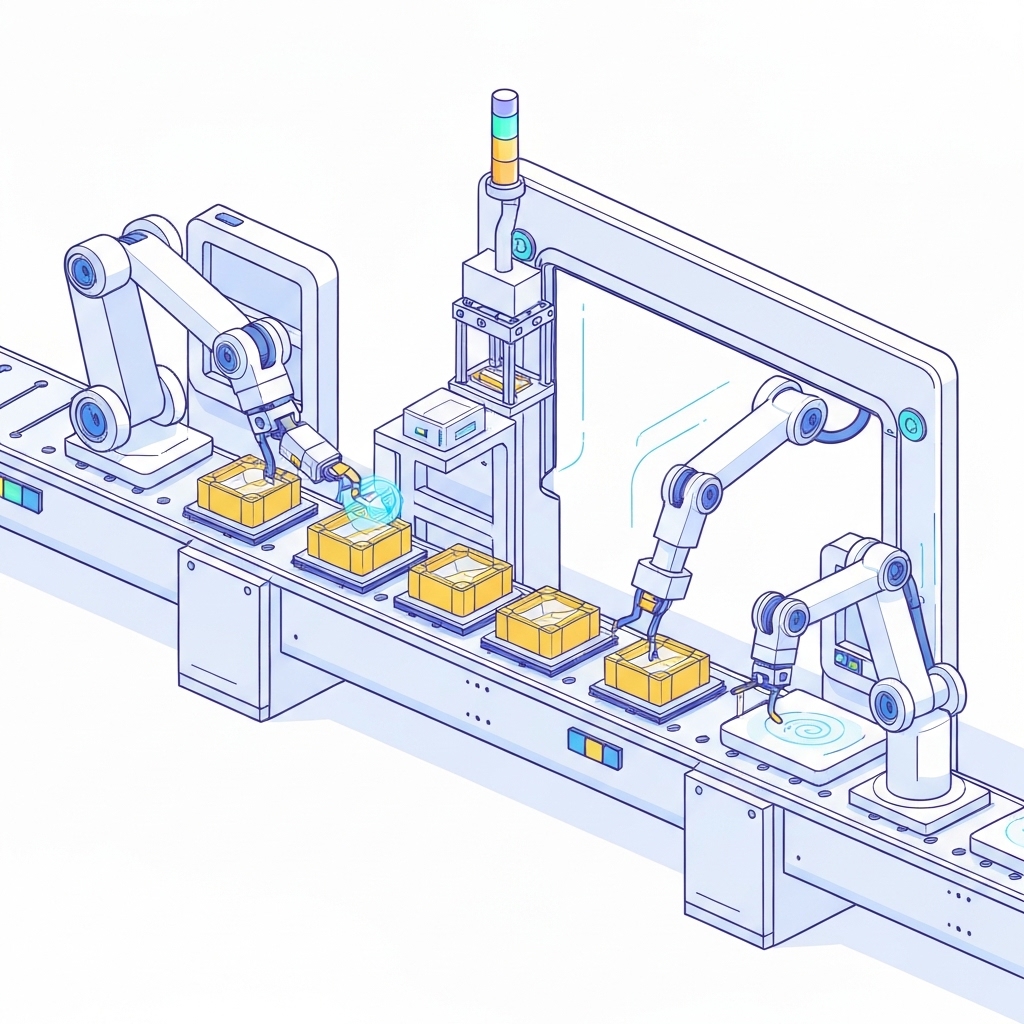
In the competitive manufacturing sector, maximizing throughput is essential for profitability. Throughput optimization—the process of enhancing production rates while minimizing costs and inefficiencies—is a critical strategy for businesses aiming to maintain a competitive edge. Artificial Intelligence (AI) has emerged as a transformative technology, offering innovative solutions to streamline workflows, reduce downtime, and elevate productivity to new heights.
This article delves into the potential of Throughput Optimization with AI in manufacturing, providing practical strategies, real-world examples, and actionable insights to help businesses enhance their profitability.
Why Throughput Optimization Matters in Manufacturing
Throughput is the cornerstone of manufacturing success, directly influencing revenue, customer satisfaction, and market competitiveness. Traditional optimization methods often struggle to address the complexities of modern production systems, where challenges like machine downtime, supply chain disruptions, and labor inefficiencies can significantly impede productivity.
AI emerges as a powerful solution, offering data-driven insights and predictive capabilities to tackle these issues. By analyzing large datasets in real-time, AI identifies bottlenecks, predicts equipment failures, and optimizes resource allocation, contributing to increased throughput and profitability.
How AI Drives Throughput Optimization
AI’s capacity to process and interpret vast amounts of data makes it an ideal tool for enhancing manufacturing operations. Here’s how AI is reshaping the industry:
1. Predictive Maintenance
Unplanned downtime can severely impact manufacturing efficiency. AI-powered predictive maintenance systems analyze machine data to identify anomalies and foresee failures, enabling proactive maintenance scheduling. This approach minimizes downtime and ensures smooth production flows. For instance, General Electric (GE) utilizes AI to monitor industrial equipment health, achieving up to a 20% reduction in unplanned downtime.
2. Real-Time Quality Control
Defects in production can lead to costly rework and material waste. AI-driven computer vision systems provide real-time product inspections, detecting defects with high accuracy. This ensures only high-quality products progress through the production line, reducing waste and enhancing throughput. Tesla’s use of AI-powered cameras in its assembly process exemplifies this, achieving near-perfect quality control.
3. Optimized Scheduling and Resource Allocation
AI algorithms optimize production schedules and resource allocation by analyzing historical data and current demand. This ensures the availability of necessary materials and labor, preventing delays and maximizing output. Siemens’ application of AI in production scheduling has resulted in a notable 15% throughput increase.
4. Supply Chain Visibility
AI enhances supply chain management by monitoring inventory levels, forecasting demand, and identifying potential disruptions. This visibility helps manufacturers maintain a consistent material flow, avoiding production halts due to shortages. Procter & Gamble (P&G) has successfully used AI to optimize its supply chain, reducing inventory costs by 10% while improving delivery times.
5. Autonomous Robotics
AI-powered robots are revolutionizing assembly lines by efficiently performing repetitive tasks. These robots collaborate with human workers, enhancing their capabilities and overall throughput. Amazon’s fulfillment centers utilize AI-driven robots for sorting and packing, significantly increasing productivity.
Practical Strategies for Implementing AI in Throughput Optimization
Integrating AI into throughput optimization requires a thoughtful approach. Here are key steps for successful implementation:
1. Assess Your Current Operations
Identify inefficiencies by analyzing data to locate bottlenecks, downtime causes, and quality issues. This assessment will highlight areas where AI can make the most impact.
2. Invest in the Right AI Tools
Select AI solutions that match your specific needs, whether for predictive maintenance, quality control, or supply chain optimization. Ensure these tools integrate well with your existing systems.
3. Train Your Workforce
Ensure your team understands AI’s role and benefits through comprehensive training, fostering a smooth transition and encouraging adoption.
4. Start Small, Scale Gradually
Begin with pilot AI projects in specific areas to measure success and make necessary adjustments before a full-scale rollout.
5. Monitor and Iterate
Continuously evaluate AI systems’ performance and use feedback to refine algorithms, ensuring ongoing improvement and optimization.
Real-World Success Stories
- Bosch: Achieved a 25% reduction in machine downtime through AI-powered predictive maintenance.
- Foxconn: Increased production efficiency by 30% with AI-driven robots in assembly lines.
- Caterpillar: Optimized its supply chain using AI, reducing lead times by 12%.
The Future of Throughput Optimization with AI
As AI technology advances, its influence on manufacturing will continue to grow. Innovations like edge computing, digital twins, and generative AI are set to further revolutionize throughput optimization.
Digital twins, for example, enable manufacturers to simulate and optimize processes in a virtual environment, minimizing risks. Generative AI can design more efficient production layouts and workflows, pushing the boundaries of manufacturing possibilities.
Conclusion
Throughput optimization with AI is a strategic necessity for manufacturers aiming to stay competitive. By harnessing AI’s capabilities, companies can streamline operations, reduce costs, and enhance profitability.
Embarking on the AI-driven throughput optimization journey starts with understanding your challenges and committing to innovation. With the right strategies and tools, manufacturers can achieve new levels of efficiency and secure long-term success.