
Discover how intelligent automation in logistics is revolutionizing operations with AI-driven solutions. Learn how AI streamlines supply chains, enhances efficiency, and reduces costs in the logistics industry.
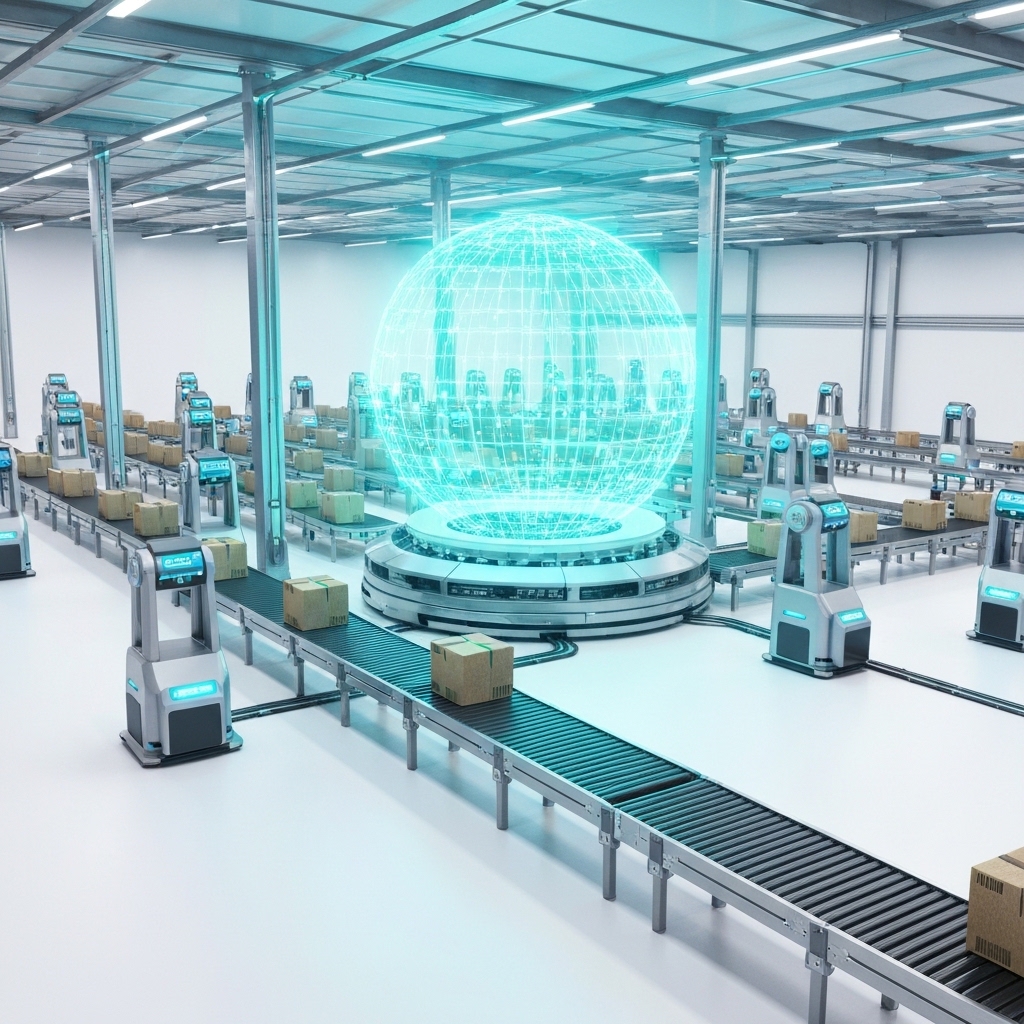
The logistics industry is undergoing a transformative shift, driven by the integration of intelligent automation and artificial intelligence (AI). As global supply chains become more complex and consumer demands more dynamic, businesses are turning to AI-driven solutions to streamline operations, enhance efficiency, and reduce costs. This article explores how intelligent automation is redefining logistics, the key technologies powering this revolution, and the tangible benefits it delivers to businesses and consumers alike.
The Rise of Intelligent Automation in Logistics
Intelligent automation combines AI, machine learning (ML), and robotics to create self-optimizing systems that can perform tasks with minimal human intervention. In logistics, this translates to smarter warehouses, predictive analytics, and real-time decision-making.
The logistics sector has traditionally been labor-intensive, with manual processes prone to errors and inefficiencies. However, the advent of AI has enabled companies to automate repetitive tasks, optimize routes, and forecast demand with unprecedented accuracy. According to industry reports, AI-powered logistics solutions can significantly reduce operational costs and improve delivery times.
Key AI Technologies Transforming Logistics
1. Robotic Process Automation (RPA)
RPA uses software robots to automate repetitive tasks such as inventory management, order processing, and invoicing. In warehouses, robots like autonomous mobile robots (AMRs) and automated guided vehicles (AGVs) are revolutionizing picking, packing, and sorting processes. These robots work alongside human workers, increasing productivity and reducing errors.
2. Predictive Analytics
AI-driven predictive analytics leverages historical data and real-time insights to forecast demand, optimize inventory levels, and prevent stockouts. By analyzing patterns in consumer behavior, weather conditions, and market trends, logistics companies can make data-driven decisions to minimize costs and maximize efficiency.
3. Machine Learning for Route Optimization
Route optimization is a critical aspect of logistics, and AI is making it smarter than ever. Machine learning algorithms analyze factors like traffic, weather, and delivery windows to determine the most efficient routes. Companies use AI-powered tools to save millions of miles and gallons of fuel annually.
4. Computer Vision and IoT
Computer vision, powered by AI, enables machines to “see” and interpret visual data. In logistics, this technology is used for quality control, package sorting, and even autonomous vehicles. Combined with the Internet of Things (IoT), sensors and devices provide real-time data on shipments, enabling better tracking and monitoring.
5. Natural Language Processing (NLP)
NLP allows AI systems to understand and respond to human language, improving customer interactions. Chatbots and virtual assistants handle inquiries, track shipments, and provide updates, enhancing the overall customer experience.
How AI is Redefining Logistics Operations
1. Streamlined Warehouse Management
AI-powered systems optimize warehouse layouts, automate inventory management, and reduce picking times. For example, advanced robots work seamlessly with human employees to fulfill orders faster and more accurately. These robots navigate warehouses autonomously, bringing shelves of products directly to pickers, eliminating the need for manual retrieval.
2. Enhanced Supply Chain Visibility
AI provides end-to-end visibility across the supply chain, enabling companies to track shipments in real-time and identify potential bottlenecks. By leveraging IoT sensors and AI analytics, businesses can proactively address delays and ensure timely deliveries.
3. Cost Reduction and Efficiency Gains
Intelligent automation reduces labor costs, minimizes errors, and optimizes resource utilization. For instance, AI-driven demand forecasting helps companies avoid overstocking or understocking, leading to significant cost savings. Additionally, automated vehicles and drones are reducing transportation costs and delivery times.
4. Improved Customer Experience
AI enables faster, more accurate deliveries and personalized customer interactions. Predictive analytics helps companies anticipate customer needs, while chatbots provide instant support. As a result, businesses can deliver a seamless experience that meets the growing expectations of modern consumers.
Real-World Applications of AI in Logistics
1. AI-Powered Fulfillment Centers
Leading companies are pioneers in leveraging AI and robotics for logistics. Their fulfillment centers use AI to optimize inventory placement, manage robots, and predict demand. These companies also invest in training employees to develop AI solutions, ensuring continuous innovation.
2. Predictive Analytics in Global Supply Chains
Global logistics companies use AI-driven predictive analytics to optimize their supply chains. By analyzing data from various sources, they can anticipate disruptions and adjust operations accordingly, leading to improved delivery times and reduced costs.
3. Autonomous Delivery Vehicles
Innovative logistics companies are testing autonomous delivery vehicles powered by AI and computer vision. These vehicles navigate complex routes and deliver packages without human intervention, paving the way for the future of last-mile delivery.
Challenges and Considerations
While the benefits of intelligent automation in logistics are significant, there are challenges to consider:
- High Initial Investment: Implementing AI and robotics requires substantial upfront costs.
- Workforce Reskilling: As automation replaces certain jobs, employees need training to adapt to new roles.
- Data Security: AI systems rely on vast amounts of data, making cybersecurity a critical concern.
- Regulatory Compliance: Autonomous vehicles and drones must adhere to evolving regulations, which can vary by region.
Despite these challenges, the long-term benefits of AI in logistics far outweigh the costs, making it a worthwhile investment for forward-thinking companies.
The Future of Intelligent Automation in Logistics
The future of logistics is undeniably AI-driven. As technology continues to evolve, we can expect even greater advancements:
- Fully Autonomous Warehouses: Warehouses will become fully automated, with robots handling every aspect of operations.
- Drone Deliveries: Drones will become a common sight, delivering packages quickly and efficiently, especially in remote areas.
- Hyper-Personalized Logistics: AI will enable hyper-personalized delivery options, tailored to individual customer preferences.
- Sustainable Operations: AI will play a key role in reducing the environmental impact of logistics, optimizing routes to minimize carbon emissions.
Summary
Intelligent automation is revolutionizing the logistics industry, offering unparalleled efficiency, cost savings, and customer satisfaction. By harnessing the power of AI, companies can navigate the complexities of modern supply chains with ease and agility. As technology continues to advance, the possibilities for innovation are limitless.
Whether you’re a logistics provider or a business relying on efficient supply chains, embracing intelligent automation is essential for staying competitive in the digital age. The future of logistics is here, and AI is at the helm.
Ready to transform your logistics operations? Start exploring AI-driven solutions today and stay ahead of the curve.