
Discover how AI-Powered Process Improvement for Manufacturing Efficiency can revolutionize your operations. Unlock cost savings, reduce downtime, and boost productivity with cutting-edge AI solutions tailored for modern manufacturing.
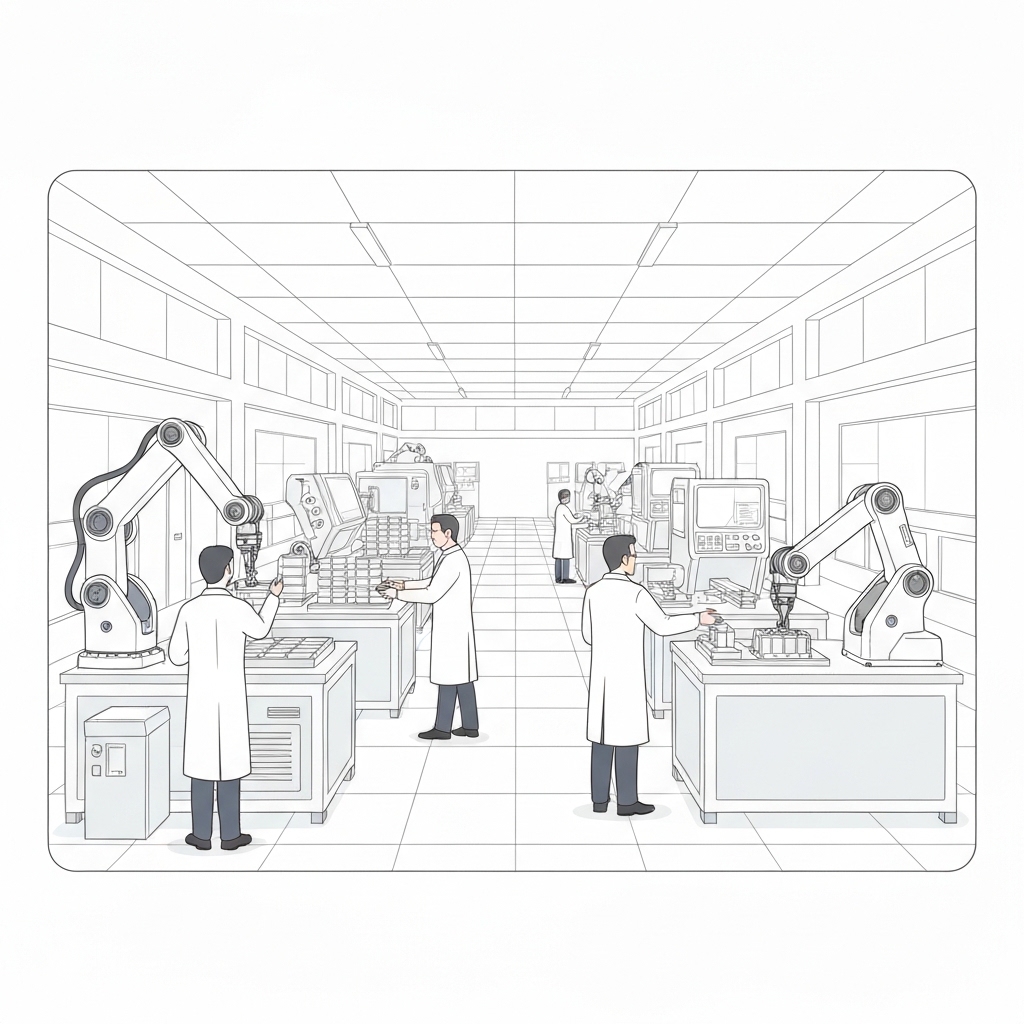
In the competitive world of manufacturing, efficiency is key to staying ahead. As margins shrink and customer demands rise, manufacturers are turning to AI-powered process improvement to boost productivity, cut costs, and minimize downtime. By harnessing advanced AI technologies, companies can transform their operations, making them smarter, faster, and more resilient. This article explores how AI is reshaping manufacturing efficiency and offers practical insights for businesses ready to embrace this change.
The Manufacturing Efficiency Challenge
Manufacturing is inherently complex, involving intricate processes, supply chain logistics, and workforce management. Inefficiencies—whether from equipment failures, production bottlenecks, or quality issues—can lead to significant financial losses. Reports indicate that unplanned downtime costs manufacturers billions annually. The rise of Industry 4.0 has added new pressures, such as the need for real-time decision-making and customization at scale.
Traditional process improvement methods, while useful, often fall short in addressing these challenges. This is where AI steps in, offering data-driven solutions to optimize every aspect of manufacturing, from the shop floor to the supply chain.
How AI is Transforming Manufacturing Efficiency
AI’s ability to analyze vast amounts of data, predict outcomes, and automate tasks makes it a game-changer for manufacturing. Here’s how AI-powered process improvement is driving efficiency across the sector:
1. Predictive Maintenance to Reduce Downtime
One of the most impactful applications of AI in manufacturing is predictive maintenance. By analyzing data from sensors embedded in machinery, AI algorithms can predict equipment failures before they occur. This proactive approach minimizes unplanned downtime and extends the lifespan of assets.
For example, General Electric (GE) uses AI-powered predictive analytics to monitor its industrial turbines, reducing unplanned outages by 20%. Similarly, manufacturers in automotive and electronics sectors are adopting AI to optimize maintenance schedules, saving millions in repair costs and lost productivity.
2. Quality Control and Defect Reduction
AI-driven computer vision systems are revolutionizing quality control. These systems inspect products at high speeds with unparalleled accuracy, identifying defects that human inspectors might miss. For instance, in the automotive industry, AI-powered cameras detect imperfections in paint finishes or welds, ensuring only flawless products reach the market.
By reducing defects, manufacturers can lower scrap rates, improve customer satisfaction, and avoid costly recalls. Studies show that AI-enhanced quality control can reduce defect rates by up to 50%.
3. Optimization of Production Schedules
AI excels at optimizing production schedules to maximize efficiency. By analyzing historical data, demand forecasts, and real-time inputs, AI algorithms can dynamically adjust production plans to meet changing requirements. This ensures efficient resource allocation, reducing waste and minimizing lead times.
For example, Procter & Gamble uses AI to optimize its supply chain and production schedules, achieving a 10% reduction in inventory costs while improving on-time delivery.
4. Energy Efficiency and Sustainability
Manufacturing is energy-intensive, accounting for a significant portion of global energy consumption. AI can help reduce energy usage by identifying inefficiencies and optimizing processes. Smart sensors and AI algorithms monitor energy consumption in real time, suggesting adjustments to minimize waste.
For instance, Siemens uses AI to optimize energy usage in its factories, achieving a 20% reduction in energy costs. By embracing AI-driven sustainability, manufacturers can cut costs and reduce their environmental footprint.
5. Workforce Augmentation and Safety
AI isn’t about replacing human workers—it’s about enhancing their capabilities. Collaborative robots (cobots) powered by AI work alongside humans, handling repetitive or dangerous tasks while allowing workers to focus on higher-value activities.
Additionally, AI-powered safety systems monitor workplace conditions, alerting employees to potential hazards. For example, wearable devices equipped with AI can detect fatigue or unsafe movements, reducing the risk of accidents.
Implementing AI-Powered Process Improvement: A Practical Framework
While the benefits of AI in manufacturing are clear, implementing these technologies requires a strategic approach. Here’s a step-by-step framework to guide your journey:
Step 1: Assess Your Current Processes
Before adopting AI, conduct a thorough assessment of your existing processes. Identify pain points, inefficiencies, and areas where AI can have the most impact. This could include production bottlenecks, maintenance issues, or quality control challenges.
Step 2: Invest in the Right Technology
Choose AI solutions that align with your specific needs. Whether it’s predictive maintenance, quality control, or production optimization, select tools that integrate seamlessly with your existing systems.
Step 3: Build a Skilled Team
AI implementation requires a team with the right skills. Invest in training your workforce or hire experts who can manage and optimize AI systems effectively.
Step 4: Start Small and Scale Up
Begin with pilot projects to test AI solutions in specific areas. Once you see positive results, gradually scale up to other parts of your operations.
Step 5: Monitor and Improve
Continuously monitor the performance of your AI systems and gather feedback. Use this data to refine processes and maximize the benefits of AI-powered improvements.