Unlock the full potential of your complex sales systems with proven revenue optimization strategies. Discover actionable insights to streamline processes, enhance customer engagement, and maximize profitability in today’s competitive market.
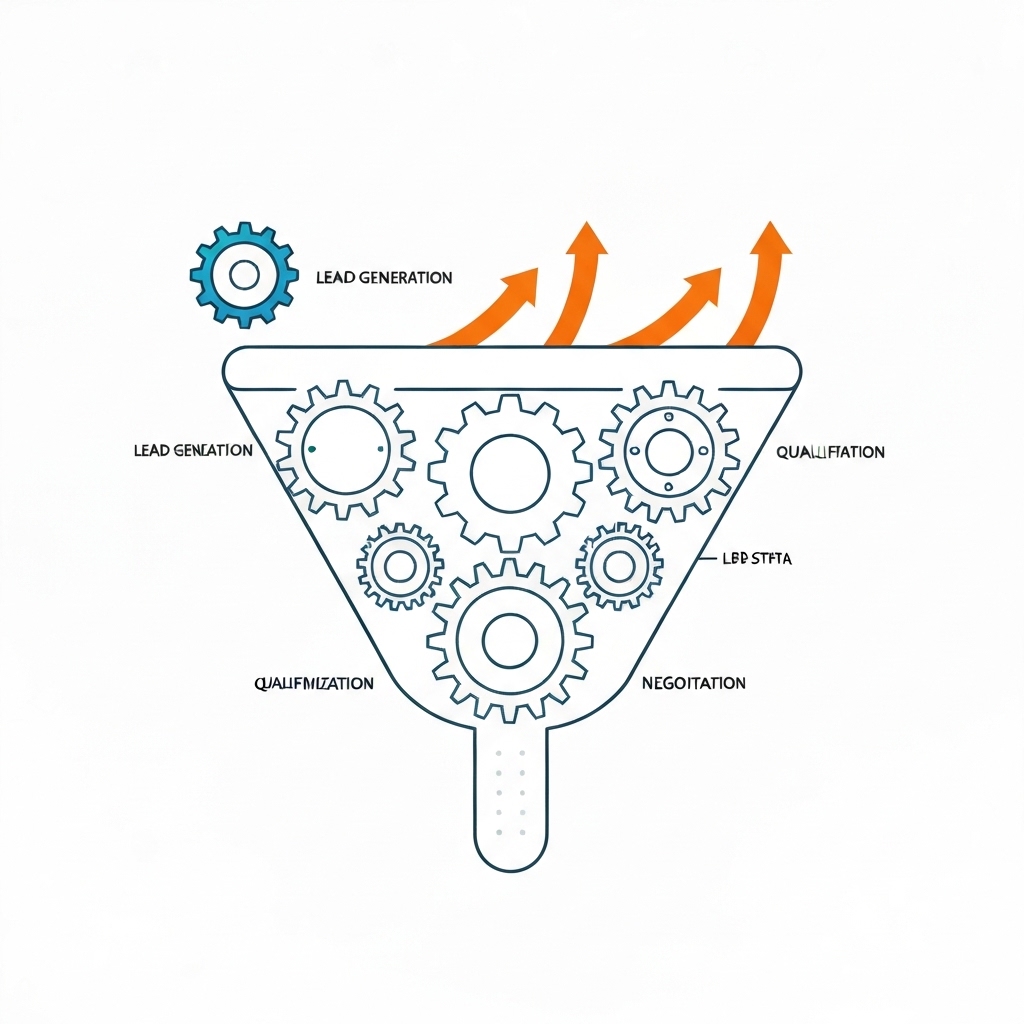
In today’s hyper-competitive business landscape, revenue optimization is no longer a luxury—it’s a necessity. For companies operating within complex sales systems, where multiple stakeholders, lengthy sales cycles, and intricate processes are the norm, maximizing revenue requires a strategic, data-driven approach. This article dives into actionable strategies to streamline your sales processes, enhance customer engagement, and unlock the full profitability potential of your complex sales system.
Understanding the Challenges of Complex Sales Systems
Before diving into optimization strategies, it’s crucial to understand the unique challenges of complex sales systems. These systems often involve:
- Multiple Decision-Makers: Deals require buy-in from various stakeholders, each with different priorities.
- Long Sales Cycles: Closing deals can take months or even years, requiring sustained effort and resources.
- Intricate Processes: From lead qualification to contract negotiation, the sales journey is fraught with potential bottlenecks.
- High Customer Expectations: Buyers demand personalized, value-driven experiences at every touchpoint.
These complexities can lead to inefficiencies, missed opportunities, and suboptimal revenue outcomes. However, with the right strategies, you can transform these challenges into competitive advantages.
1. Map and Streamline Your Sales Process
The first step to revenue optimization is gaining clarity on your sales process. Start by mapping out every stage of your sales funnel, from lead generation to post-sale follow-up. Identify pain points, redundancies, and areas where prospects tend to drop off.
Actionable Tips:
- Visualize the Funnel: Use tools like Salesforce, HubSpot, or Lucidchart to create a visual representation of your sales process.
- Eliminate Bottlenecks: Automate repetitive tasks (e.g., data entry, follow-up emails) to free up your team’s time for high-value activities.
- Standardize Workflows: Develop clear guidelines and templates for each stage of the sales cycle to ensure consistency and efficiency.
2. Leverage Data-Driven Insights
Data is the backbone of revenue optimization. By analyzing key metrics, you can identify trends, predict outcomes, and make informed decisions.
Key Metrics to Track:
- Conversion Rates: Measure the percentage of leads moving from one stage to the next.
- Sales Cycle Length: Track the average time it takes to close a deal.
- Customer Acquisition Cost (CAC): Calculate the cost of acquiring a new customer.
li>Lifetime Value (LTV): Determine the total revenue a customer generates over their relationship with your company./li>
Actionable Tips:
- Invest in CRM Tools: Platforms like Salesforce, Zoho CRM, or Pipedrive can help you track and analyze sales data in real time.
- Use Predictive Analytics: Leverage AI-powered tools to forecast sales trends and identify high-potential leads.
- Conduct Regular Reviews: Schedule weekly or monthly reviews to assess performance and adjust strategies as needed.
3. Personalize the Customer Experience
In complex sales systems, one-size-fits-all approaches rarely work. Personalization is key to building trust, fostering relationships, and closing deals.
Strategies for Personalization:
- Segment Your Audience: Group prospects based on industry, pain points, or buying behavior to tailor your messaging.
- Use Dynamic Content: Customize emails, proposals, and presentations to address the specific needs of each stakeholder.
- Leverage Account-Based Marketing (ABM): Focus your efforts on high-value accounts by creating targeted campaigns and personalized outreach.
Actionable Tips:
- Gather Customer Insights: Use surveys, interviews, and data analytics to understand your customers’ needs and preferences.
- Train Your Team: Equip your sales reps with the skills to engage in meaningful, personalized conversations.
- Automate Personalization: Tools like Marketo or Pardot can help you deliver personalized content at scale.
4. Optimize Pricing Strategies
Pricing is a critical lever for revenue optimization. In complex sales systems, where deals often involve custom solutions, dynamic pricing can help maximize profitability.
Pricing Optimization Techniques:
- Value-Based Pricing: Set prices based on the perceived value your product or service delivers to the customer.
- Tiered Pricing: Offer different pricing levels based on features, usage, or customer segments.
- Discounting Strategically: Use discounts to incentivize quick decisions or upsells, but avoid undermining your product’s value.
Actionable Tips:
- Conduct Pricing Experiments: Test different price points to determine the optimal balance between revenue and demand.
- Analyze Competitor Pricing: Stay informed about competitors’ pricing strategies to position your offerings effectively.
- Communicate Value: Clearly articulate the ROI of your solution to justify your pricing.
5. Enhance Cross-Selling and Upselling Opportunities
Once a deal is closed, the revenue optimization journey doesn’t end. Cross-selling and upselling can significantly increase the lifetime value of your customers.
Strategies for Cross-Selling and Upselling:
- Identify Complementary Products: Offer additional products or services that enhance the value of the initial purchase.
- Timing is Key: Present upsell opportunities at the right moment, such as during onboarding or after a successful implementation.
- Provide Value-Added Solutions: Focus on how additional offerings can solve new or emerging customer needs.
Actionable Tips:
- Train Your Team: Educate your sales and customer success teams on identifying upsell opportunities.
- Use Data to Predict Needs: Analyze customer behavior and usage patterns to anticipate future needs.
- Offer Bundles or Packages: Create attractive bundles that provide greater value than purchasing items separately.
6. Invest in Sales Enablement
Your sales team is your greatest asset. Empowering them with the right tools, training, and resources is essential for revenue optimization.
Sales Enablement Best Practices:
- Provide Comprehensive Training: Equip your team with product knowledge, sales techniques, and industry insights.
- Create a Content Library: Develop a repository of sales collateral, case studies, and templates to support your team’s efforts.
- Foster Collaboration: Encourage cross-functional collaboration between sales, marketing, and product teams.
Actionable Tips:
- Use Sales Enablement Platforms: Tools like Seismic, Highspot, or Showpad can help organize and distribute sales content.
- Measure Enablement ROI: Track how enablement initiatives impact sales performance and adjust accordingly.
- Promote Continuous Learning: Offer ongoing training and development opportunities to keep your team ahead of the curve.
7. Focus on Customer Retention and Loyalty
Acquiring new customers is important, but retaining existing ones is more cost-effective and profitable. In complex sales systems, building long-term relationships is crucial for sustained revenue growth.
Strategies for Customer Retention:
- Deliver Exceptional Service: Provide timely, proactive support to address customer needs and concerns.
- Gather Feedback: Regularly solicit feedback to understand customer satisfaction levels and areas for improvement.
- Create Loyalty Programs: Reward repeat business with incentives, discounts, or exclusive offers.
Actionable Tips:
- Implement a Customer Success Team: Assign dedicated account managers to ensure customers achieve their desired outcomes.
- Measure Customer Health: Track metrics like Net Promoter Score (NPS) and churn rate to gauge customer satisfaction.
- Stay Engaged: Maintain regular communication through newsletters, webinars, and personalized check-ins.
Conclusion
Revenue optimization in complex sales systems is a multifaceted endeavor that requires a strategic, data-driven approach. By mapping and streamlining your sales process, leveraging data insights, personalizing the customer experience, optimizing pricing, enhancing cross-selling opportunities, investing in sales enablement, and focusing on customer retention, you can unlock the full potential of your sales system.
Remember, revenue optimization is not a one-time effort but an ongoing process. Continuously analyze, adapt, and innovate to stay ahead in today’s competitive market. With the right strategies in place, your complex sales system can become a powerful engine for sustainable growth and profitability.