Discover how AI-enabled appraisal systems are revolutionizing performance management for modern workforces. Stay ahead with cutting-edge tools that enhance accuracy, fairness, and employee engagement.
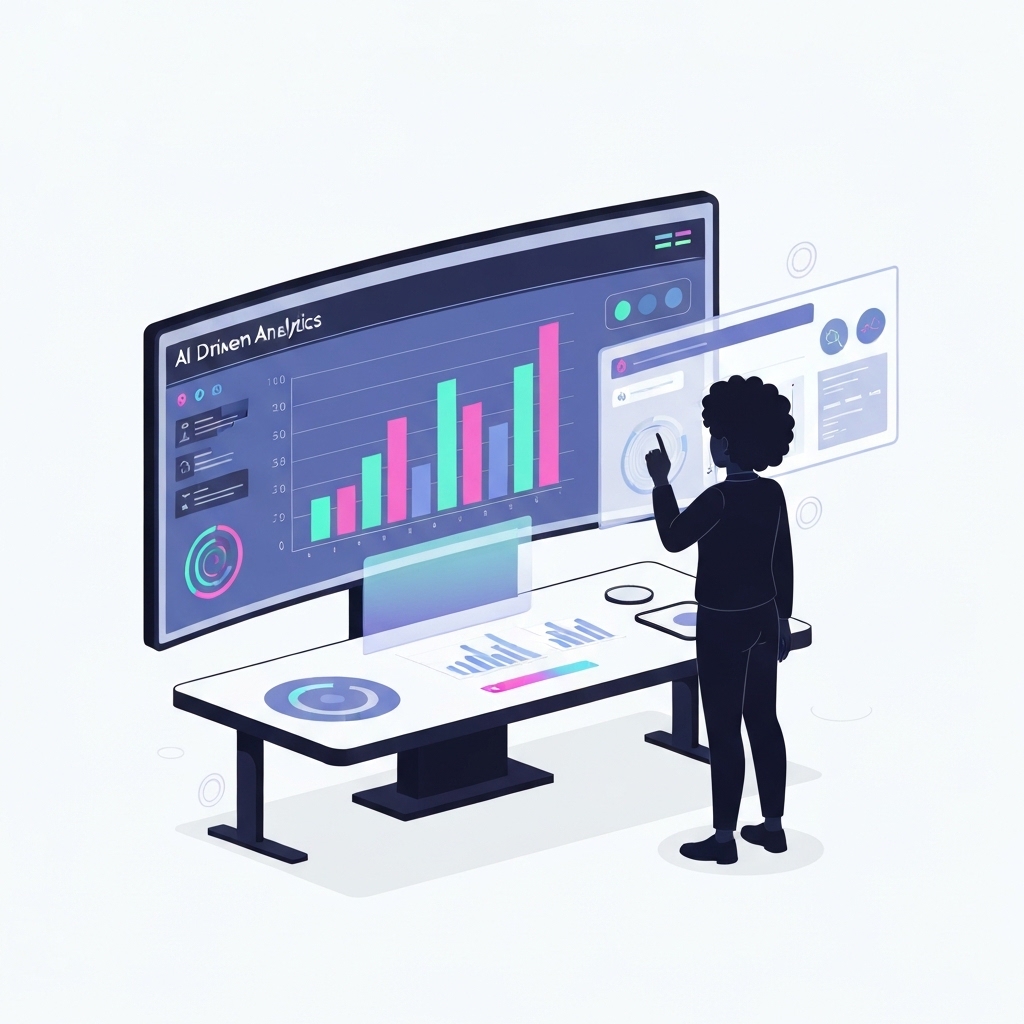
Performance management has undergone a seismic shift, moving from rigid annual reviews to dynamic, data-driven processes. At the heart of this evolution is the integration of AI-enabled appraisal systems, which are redefining how organizations assess, develop, and engage their talent. As modern workforces become more diverse, distributed, and demanding, traditional methods fall short. AI steps in as a game-changer, offering precision, fairness, and scalability.
This article explores the transformative impact of AI on performance management, its key benefits, challenges, and practical strategies for implementation. Whether you’re an HR leader, manager, or business owner, understanding this shift is essential to staying competitive in today’s fast-paced work environment.
The Limitations of Traditional Performance Management
Before diving into AI’s role, it’s crucial to acknowledge why traditional performance management systems are no longer sufficient.
- Subjectivity and Bias: Human managers often introduce unconscious biases into evaluations, leading to inconsistent results.
- Infrequent Feedback: Annual or semi-annual reviews fail to provide timely insights for employee growth.
- Lack of Personalization: One-size-fits-all approaches ignore individual strengths, goals, and development needs.
- Administrative Burden: Manual processes consume time and resources, diverting focus from strategic initiatives.
These limitations highlight the need for a more agile, objective, and employee-centric approach—one that AI is uniquely positioned to deliver.
How AI is Revolutionizing Performance Appraisals
AI-enabled appraisal systems leverage machine learning, natural language processing (NLP), and predictive analytics to transform performance management. Here’s how:
1. Data-Driven Insights
AI analyzes vast amounts of data—from productivity metrics to communication patterns—to provide a holistic view of employee performance. For example, tools like Culture Amp and Lattice use AI to identify trends, such as which teams are thriving and where bottlenecks exist.
2. Real-Time Feedback
AI-powered platforms enable continuous feedback loops, allowing managers and peers to provide instant recognition or constructive criticism. Tools like 15Five and Reflektive use AI to prompt regular check-ins, ensuring employees stay aligned with goals.
3. Bias Mitigation
AI algorithms can be trained to minimize bias by focusing on objective metrics rather than subjective impressions. For instance, Eightfold.ai uses AI to evaluate skills and potential, reducing reliance on traditional proxies like tenure or educational background.
4. Personalized Development Plans
By analyzing individual strengths and areas for improvement, AI can recommend tailored learning paths. Platforms like Degreed and Cornerstone OnDemand use AI to suggest courses, mentorship opportunities, and career progression plans.
5. Predictive Analytics
AI can forecast future performance trends, identify flight risks, and suggest interventions. For example, People Analytics tools like Visier use AI to predict which employees are likely to leave, enabling proactive retention strategies.
Key Benefits of AI-Enabled Appraisal Systems
Adopting AI in performance management offers a range of advantages for both organizations and employees.
For Organizations
- Enhanced Accuracy: AI reduces errors and biases, leading to fairer evaluations.
- Cost Efficiency: Automating administrative tasks frees up HR resources for strategic initiatives.
- Improved Retention: AI-driven insights help identify and address employee concerns before they escalate.
- Scalability: AI systems can handle large, distributed workforces without compromising quality.
For Employees
- Fairer Evaluations: Objective metrics ensure employees are judged on merit, not personal biases.
- Continuous Growth: Real-time feedback and personalized development plans foster a culture of learning.
- Increased Engagement: Employees feel valued when their contributions are recognized promptly.
Challenges and Considerations
While AI offers immense potential, its implementation is not without challenges.
1. Data Privacy Concerns
AI systems rely on employee data, raising questions about privacy and consent. Organizations must ensure compliance with regulations like GDPR and prioritize transparency.
2. Algorithmic Bias
AI is only as unbiased as the data it’s trained on. Poorly designed algorithms can perpetuate existing biases, undermining fairness.
3. Resistance to Change
Employees and managers may be skeptical of AI, fearing it will replace human judgment. Clear communication and training are essential to address these concerns.
4. Cost of Implementation
While AI can save costs in the long run, the initial investment in technology and training can be significant.
Practical Strategies for Implementing AI-Enabled Appraisal Systems
To maximize the benefits of AI in performance management, follow these actionable steps:
1. Start with Clear Objectives
Define what you want to achieve—whether it’s reducing bias, improving retention, or enhancing employee engagement.
2. Choose the Right Tools
Evaluate AI platforms based on your organization’s size, industry, and specific needs. Look for vendors with proven track records and robust support.
3. Ensure Data Quality
Clean and standardize your data to ensure AI algorithms produce accurate insights.
4. Train Your Workforce
Educate managers and employees on how AI works and its benefits. Emphasize that AI is a tool to augment, not replace, human judgment.
5. Monitor and Iterate
Continuously assess the impact of AI on performance management. Be prepared to adjust algorithms and processes as needed.
Real-World Examples of AI in Action
Several organizations are already reaping the rewards of AI-enabled appraisal systems:
- IBM: Uses AI to analyze employee data and predict turnover, enabling targeted retention efforts.
- Accenture: Leverages AI to provide personalized career development recommendations, improving employee satisfaction.
- Walmart: Implements AI-driven performance tracking to identify high-potential employees and accelerate their growth.
These examples demonstrate how AI can drive tangible results when implemented strategically.
The Future of Performance Management
As AI technology advances, its role in performance management will only grow. Future innovations may include:
- Emotion AI: Analyzing employee sentiment through voice and text data to gauge engagement levels.
- Hyper-Personalization: AI systems that adapt in real-time to individual preferences and learning styles.
- Integration with HR Tech Stacks: Seamless connectivity between AI appraisal tools and other HR systems for a unified experience.
Conclusion
The evolution of performance management is undeniable, and AI-enabled appraisal systems are at the forefront of this transformation. By enhancing accuracy, fairness, and employee engagement, these tools empower organizations to build high-performing, future-ready workforces.
However, success depends on thoughtful implementation, addressing challenges like bias and privacy, and fostering a culture of trust. As you embark on this journey, remember: AI is not a silver bullet, but a powerful ally in creating a more equitable, efficient, and engaging workplace.
Ready to future-proof your performance management? The time to embrace AI is now.