Discover how AI-enhanced marketing frameworks revolutionize campaign tracking with real-time performance insights. Boost ROI, optimize strategies, and stay ahead in the digital landscape.
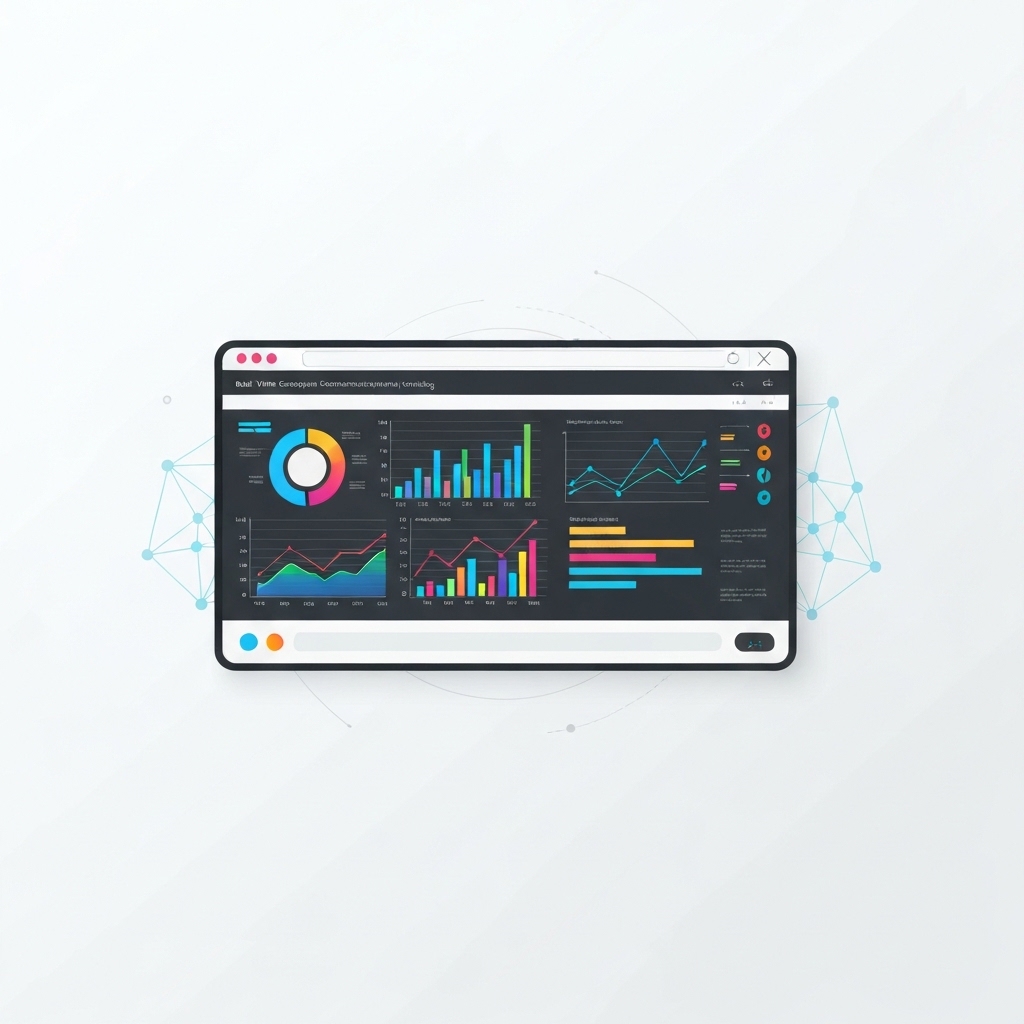
In the fast-paced digital landscape, marketers face constant pressure to deliver measurable results, optimize campaigns on the fly, and maximize return on investment (ROI). Traditional marketing frameworks, while effective, often fall short in providing the real-time insights needed to adapt to shifting consumer behaviors and market dynamics. Enter AI-enhanced marketing frameworks—a transformative approach that leverages artificial intelligence to track campaign performance in real time, enabling marketers to make data-driven decisions with unprecedented speed and precision.
In this article, we’ll explore how AI is revolutionizing marketing frameworks, the benefits of real-time campaign tracking, and practical strategies to implement these tools in your business.
The Evolution of Marketing Frameworks: Why AI is a Game-Changer
Marketing frameworks—such as the RACE Framework, SOSTAC, or Ansoff Matrix—have long been the backbone of strategic planning. However, these models were designed in an era where data was limited, and consumer journeys were linear. Today, the digital ecosystem is complex, with multiple touchpoints, channels, and devices influencing purchasing decisions.
AI steps in as the missing piece, supercharging traditional frameworks with capabilities like:
- Predictive Analytics: Forecasting campaign outcomes based on historical and real-time data.
- Automation: Streamlining repetitive tasks like A/B testing, ad placement, and email personalization.
- Personalization: Delivering tailored content to individual users at scale.
- Real-Time Insights: Monitoring campaign performance as it happens, allowing for immediate adjustments.
By integrating AI into marketing frameworks, businesses can shift from reactive to proactive strategies, ensuring every dollar spent drives tangible results.
The Power of Real-Time Campaign Tracking
Real-time tracking is no longer a luxury—it’s a necessity. Here’s why:
- Instant Visibility into Performance Metrics
AI-powered dashboards provide a 360-degree view of campaign metrics, including click-through rates (CTR), conversion rates, customer acquisition costs (CAC), and more. This granular visibility eliminates guesswork and highlights areas for improvement. - Agile Decision-Making
With real-time data, marketers can pivot strategies mid-campaign. For example, if a social media ad underperforms, AI can automatically reallocate the budget to a high-performing search campaign. - Enhanced Customer Experience
Real-time tracking enables hyper-personalization. AI analyzes user behavior to deliver the right message at the right time, increasing engagement and loyalty. - Cost Efficiency
By identifying underperforming elements early, businesses can reduce wasted ad spend and optimize budgets for maximum impact.
Key AI Tools for Real-Time Campaign Tracking
To harness the power of AI in your marketing framework, consider these cutting-edge tools:
- Google Analytics 4 (GA4) with AI Insights
GA4’s machine learning capabilities provide predictive metrics like churn probability and purchase probability, helping marketers anticipate customer behavior. - HubSpot’s Marketing Hub
HubSpot uses AI to track campaign performance across channels, offering real-time recommendations to improve ROI. - Adverity
This platform aggregates data from multiple sources and uses AI to identify trends, anomalies, and optimization opportunities. - Albert AI
A self-learning platform that autonomously manages and optimizes digital campaigns in real time, from ad creative to bidding strategies. - Optimizely
Leverages AI for real-time A/B testing and personalization, ensuring every campaign element is fine-tuned for maximum impact.
How to Implement AI-Enhanced Marketing Frameworks
Ready to integrate AI into your marketing strategy? Follow these actionable steps:
1. Define Your Objectives
Start by identifying what you want to achieve with real-time tracking. Are you looking to improve lead quality, reduce CAC, or increase customer lifetime value (CLTV)? Clear goals will guide your AI tool selection and implementation.
2. Audit Your Current Framework
Evaluate your existing marketing framework to identify gaps where AI can add value. For instance, if your email campaigns lack personalization, tools like Phrasee or Persado can help.
3. Invest in the Right Tools
Choose AI platforms that align with your objectives and budget. Start with one or two tools to avoid overwhelming your team, and scale as you gain confidence.
4. Train Your Team
AI is only as effective as the people using it. Provide training to ensure your team understands how to interpret AI-generated insights and take action.
5. Test and Iterate
AI thrives on data. Run pilot campaigns to gather insights, refine your approach, and scale successful strategies across channels.
Real-World Success Stories
To illustrate the impact of AI-enhanced marketing frameworks, here are two inspiring examples:
- Coca-Cola’s Personalized Campaigns
Coca-Cola used AI to analyze real-time social media data and create hyper-personalized ads during its “Share a Coke” campaign. The result? A significant increase in sales and social media engagement. - Sephora’s AI-Driven Email Marketing
Sephora implemented AI to send personalized product recommendations based on real-time browsing behavior. This strategy led to higher open rates and increased click-throughs.
Challenges and Considerations
While AI offers immense potential, it’s not without challenges:
- Data Privacy: Ensure compliance with regulations like GDPR and CCPA when collecting and analyzing user data.
- Cost: Advanced AI tools can be expensive, so weigh the ROI before investing.
- Over-Reliance on Automation: AI should augment human creativity, not replace it. Maintain a balance between automation and strategic thinking.
The Future of AI in Marketing Frameworks
As AI continues to evolve, its role in marketing frameworks will only deepen. Emerging trends include:
- Generative AI: Creating personalized ad copy, visuals, and even video content in seconds.
- Voice Search Optimization: Leveraging AI to optimize campaigns for voice-activated devices.
- Emotion AI: Analyzing customer sentiment in real time to tailor messaging accordingly.
Conclusion: Stay Ahead with AI-Enhanced Marketing
In a world where consumer expectations are higher than ever, real-time campaign tracking is no longer optional—it’s essential. By integrating AI into your marketing frameworks, you can unlock actionable insights, optimize performance, and deliver exceptional customer experiences.
The future of marketing is here. Are you ready to embrace it?
Start small, think big, and let AI be your guide to unparalleled success.