Discover how AI is revolutionizing HR metrics to optimize team performance. Unlock data-driven insights and strategies to enhance productivity, engagement, and retention in your workforce.
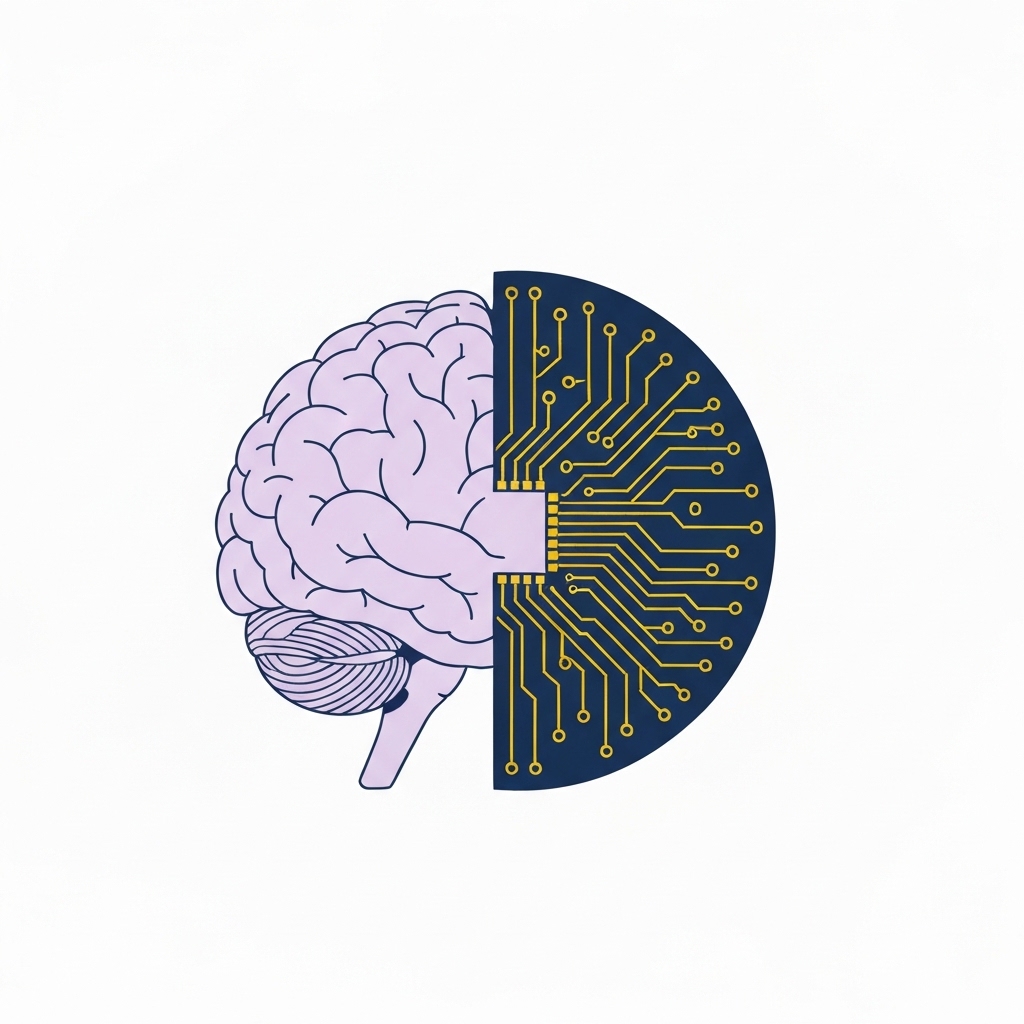
In today’s fast-paced business landscape, Human Resources (HR) is no longer just about hiring and firing. It’s about leveraging data to drive strategic decisions that enhance team performance, boost productivity, and foster a culture of engagement. Enter AI-powered HR metrics—a game-changer for organizations looking to transform their workforce into a high-performing, data-driven asset.
This article explores how AI is reinventing HR metrics, providing actionable insights to optimize team performance. From predictive analytics to real-time feedback, discover how AI can help you unlock the full potential of your workforce.
Why Traditional HR Metrics Fall Short
Traditional HR metrics—such as turnover rates, time-to-hire, and employee satisfaction scores—have long been the backbone of workforce management. While these metrics provide valuable snapshots, they often lack depth and fail to predict future outcomes. For instance:
- Turnover rates tell you what happened but not why or how to prevent it.
- Employee surveys offer insights into sentiment but are often delayed and subjective.
- Productivity metrics focus on output without considering the human factors driving performance.
In a world where agility and adaptability are key, these static metrics no longer suffice. This is where AI steps in, offering dynamic, predictive, and personalized solutions.
How AI is Revolutionizing HR Metrics
AI is not just a tool; it’s a paradigm shift in how HR professionals approach workforce optimization. By analyzing vast amounts of data in real time, AI uncovers patterns, predicts trends, and recommends actionable strategies. Here’s how:
1. Predictive Analytics for Retention
Employee turnover is costly—both financially and culturally. AI-powered predictive analytics can identify at-risk employees before they decide to leave. By analyzing factors like engagement levels, performance trends, and even email communication patterns, AI can flag potential issues early.
For example, an AI system might detect a drop in an employee’s participation in team meetings or a decrease in their usual productivity. Armed with this insight, HR can intervene with targeted support, such as mentorship programs or workload adjustments, to retain top talent.
2. Real-Time Performance Monitoring
Traditional performance reviews are often annual or quarterly, leaving little room for timely interventions. AI enables continuous performance management by tracking key performance indicators (KPIs) in real time.
Imagine a dashboard that updates daily, showing not just output metrics but also collaboration patterns, communication effectiveness, and even stress levels (via sentiment analysis of emails or chat messages). This allows managers to address performance gaps immediately and provide personalized coaching.
3. Personalized Employee Development
One-size-fits-all training programs rarely deliver optimal results. AI can analyze individual skills, learning styles, and career aspirations to recommend personalized development paths.
For instance, an AI-driven learning management system (LMS) might suggest a coding course for an employee showing an interest in data analysis or a leadership workshop for someone with high potential but limited managerial experience. This tailored approach not only enhances skills but also boosts engagement and loyalty.
4. Bias-Free Hiring and Promotion
Unconscious bias can inadvertently influence hiring and promotion decisions. AI algorithms can mitigate this by focusing solely on data-driven criteria, such as skills, experience, and performance metrics.
For example, AI can screen resumes without considering factors like gender, race, or alma mater, ensuring a diverse and merit-based talent pool. Similarly, it can identify high-performing employees who may have been overlooked for promotions due to subjective biases.
5. Employee Engagement and Sentiment Analysis
Engagement surveys are a staple of HR, but AI takes them to the next level. Natural Language Processing (NLP) can analyze open-ended responses to uncover hidden sentiments and trends.
For instance, if multiple employees mention feeling “overwhelmed” or “undervalued,” AI can flag these concerns and suggest actionable solutions, such as workload redistribution or recognition programs.
Practical Strategies to Implement AI in HR Metrics
Ready to harness the power of AI for your HR metrics? Here’s a step-by-step guide to get started:
1. Identify Key Metrics That Matter
Not all metrics are created equal. Focus on KPIs that align with your organizational goals, such as:
- Productivity: Output per employee, task completion rates.
- Engagement: Participation in meetings, feedback frequency.
- Retention: Turnover rates, tenure lengths.
- Development: Training completion rates, skill acquisition.
2. Invest in the Right AI Tools
From HRIS (Human Resource Information Systems) to specialized AI platforms, there’s no shortage of tools available. Choose solutions that integrate seamlessly with your existing systems and address your specific needs. Popular options include:
- Workday: For comprehensive HR management and analytics.
- Eightfold.ai: For AI-driven talent acquisition and retention.
- Culture Amp: For employee engagement and performance insights.
3. Ensure Data Quality and Privacy
AI is only as good as the data it analyzes. Ensure your data is accurate, up-to-date, and compliant with privacy regulations. Transparency with employees about data usage is also crucial to building trust.
4. Train Your Team
AI is a powerful tool, but it requires human expertise to interpret and act on its insights. Provide training for HR professionals and managers on how to use AI-driven metrics effectively.
5. Measure and Iterate
Implementing AI is not a one-and-done process. Continuously monitor the impact of AI-driven initiatives and refine your approach based on results.
Real-World Examples of AI in HR Metrics
Several forward-thinking organizations are already reaping the benefits of AI-powered HR metrics:
- IBM: Uses AI to predict employee attrition with high accuracy, enabling proactive retention strategies.
- Unilever: Leverages AI to screen job candidates, reducing hiring time and improving diversity.
- Hilton: Employs AI-driven chatbots to gather real-time employee feedback, leading to higher engagement scores.
The Future of HR Metrics: A Human-AI Partnership
While AI offers unparalleled capabilities, it’s not a replacement for human intuition and empathy. The future of HR metrics lies in a symbiotic relationship between AI and HR professionals. AI handles the data crunching, while humans focus on strategy, creativity, and relationship-building.
As AI continues to evolve, so too will its applications in HR. The key is to stay adaptable and embrace innovation.
Conclusion
AI is not just transforming HR metrics—it’s redefining what’s possible in workforce optimization. By leveraging AI-driven insights, organizations can enhance productivity, foster engagement, and build a resilient, high-performing team.
The question is no longer if AI will revolutionize HR, but how you’ll use it to stay ahead. Start small, think big, and watch as your team reaches new heights of performance and potential.
Ready to reinvent your HR metrics? The future is here—and it’s powered by AI.