Master cash flow management for small business owners with actionable strategies to optimize liquidity, reduce expenses, and ensure long-term financial stability. Unlock growth potential today!
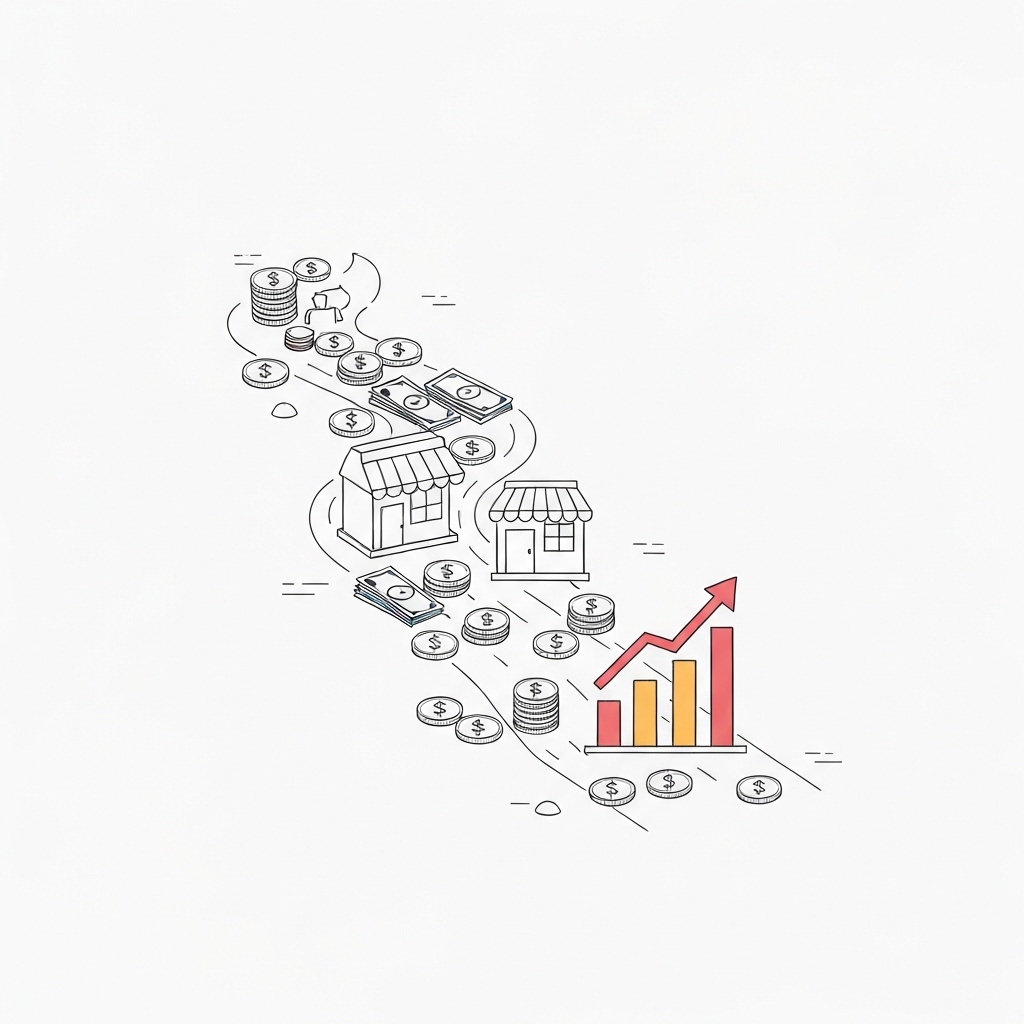
Cash flow is the heartbeat of your small business. Without it, even the most innovative products or services can’t sustain operations. Yet, many small business owners struggle with managing cash flow effectively, leading to unnecessary stress and missed opportunities. This guide breaks down cash flow management for small business owners into actionable strategies, helping you optimize liquidity, reduce expenses, and ensure long-term financial stability.
Why Cash Flow Management Matters for Small Businesses
Cash flow management isn’t just about tracking money coming in and going out—it’s about ensuring your business has enough liquidity to meet obligations, invest in growth, and weather unexpected challenges. Poor cash flow management can lead to:
- Missed payments to suppliers or employees
- Inability to seize growth opportunities
- Increased reliance on high-interest debt
- Business failure
On the flip side, effective cash flow management empowers you to:
- Pay bills on time
- Invest in inventory, marketing, or equipment
- Build a financial cushion for emergencies
- Plan for long-term growth
The Basics of Cash Flow Management
Before diving into strategies, let’s clarify what cash flow is and how it works.
What is Cash Flow?
Cash flow refers to the movement of money into and out of your business. It’s divided into three categories:
- Operating Cash Flow: Cash generated from core business activities (e.g., sales).
- Investing Cash Flow: Cash used for buying or selling assets (e.g., equipment, property).
- Financing Cash Flow: Cash from investors, loans, or dividends.
For small businesses, operating cash flow is often the most critical, as it reflects day-to-day operations.
The Cash Flow Statement
A cash flow statement is a financial document that tracks inflows and outflows over a specific period. It helps you identify trends, spot bottlenecks, and make informed decisions. Key components include:
- Inflows: Sales revenue, loans, investments.
- Outflows: Supplier payments, rent, salaries, taxes.
7 Actionable Strategies for Cash Flow Management
1. Monitor Cash Flow Daily
Cash flow isn’t a set-it-and-forget-it task. Use accounting software like QuickBooks or Xero to track daily inflows and outflows. Regular monitoring helps you catch issues early and make timely adjustments.
2. Create a Cash Flow Forecast
A cash flow forecast predicts your future cash position based on historical data and projected income/expenses. This tool helps you:
- Identify potential shortfalls in advance.
- Plan for large expenses or investments.
- Secure financing if needed.
3. Accelerate Inflows
Speeding up cash inflows improves liquidity. Here’s how:
- Invoice Promptly: Send invoices immediately after delivering products or services.
- Offer Early Payment Discounts: Incentivize customers to pay faster (e.g., 2% off for payment within 10 days).
- Diversify Payment Options: Accept credit cards, digital wallets, and online payments to make it easier for customers to pay.
4. Delay Outflows (Without Sacrificing Relationships)
While you want to pay bills on time, strategic delays can improve cash flow. Negotiate longer payment terms with suppliers or schedule payments closer to their due dates. Just ensure this doesn’t strain relationships.
5. Reduce Unnecessary Expenses
Cutting costs directly improves cash flow. Review your expenses regularly and identify areas to trim:
- Negotiate Better Rates: Shop around for cheaper suppliers, insurance, or utilities.
- Eliminate Subscriptions: Cancel unused software or services.
- Optimize Inventory: Avoid overstocking to reduce storage costs and minimize waste.
6. Build a Cash Reserve
A cash reserve acts as a safety net during slow periods or emergencies. Aim to save 3–6 months’ worth of operating expenses. Set aside a portion of profits regularly to build this fund.
7. Leverage Financing Wisely
Sometimes, external financing is necessary to bridge cash flow gaps. Consider:
- Business Lines of Credit: Flexible financing for short-term needs.
- Invoice Financing: Borrow against unpaid invoices.
- Small Business Loans: For larger investments or expansions.
Always compare interest rates and terms to avoid overburdening your business with debt.
Tools and Resources for Cash Flow Management
Managing cash flow doesn’t have to be overwhelming. These tools can simplify the process:
- Accounting Software: QuickBooks, Xero, FreshBooks.
- Cash Flow Apps: Float, Pulse, Dryrun.
- Payment Platforms: PayPal, Stripe, Square.
- Financial Advisors: Consult a professional for tailored advice.
Common Cash Flow Mistakes to Avoid
- Mixing Personal and Business Finances: Keep them separate to track cash flow accurately.
- Ignoring Financial Statements: Regularly review your cash flow statement, balance sheet, and income statement.
- Overlooking Seasonal Fluctuations: Plan for slow seasons by saving during peak periods.
- Relying on Profits Alone: Profitability doesn’t guarantee positive cash flow. Focus on both.
Long-Term Cash Flow Planning
Cash flow management isn’t just about surviving today—it’s about thriving tomorrow. Incorporate these long-term strategies:
- Invest in Growth: Reinvest profits into marketing, product development, or hiring.
- Diversify Revenue Streams: Reduce reliance on a single product or service.
- Build Strong Relationships: Cultivate loyal customers and reliable suppliers.
Final Thoughts
Effective cash flow management for small business owners is a cornerstone of success. By monitoring cash flow, reducing expenses, and planning for the future, you can ensure your business remains financially healthy and poised for growth. Start implementing these strategies today and watch your business thrive.
Ready to take control of your cash flow? Begin with a simple audit of your current finances and build from there. Your business—and your peace of mind—will thank you.
Unlock your business’s growth potential with smart cash flow management. The journey starts now!