Discover actionable strategies to enhance your HR Scorecard with our expert guide. Learn 5 proven ways to improve metrics, drive performance, and align HR goals with business success. Elevate your HR practices today!
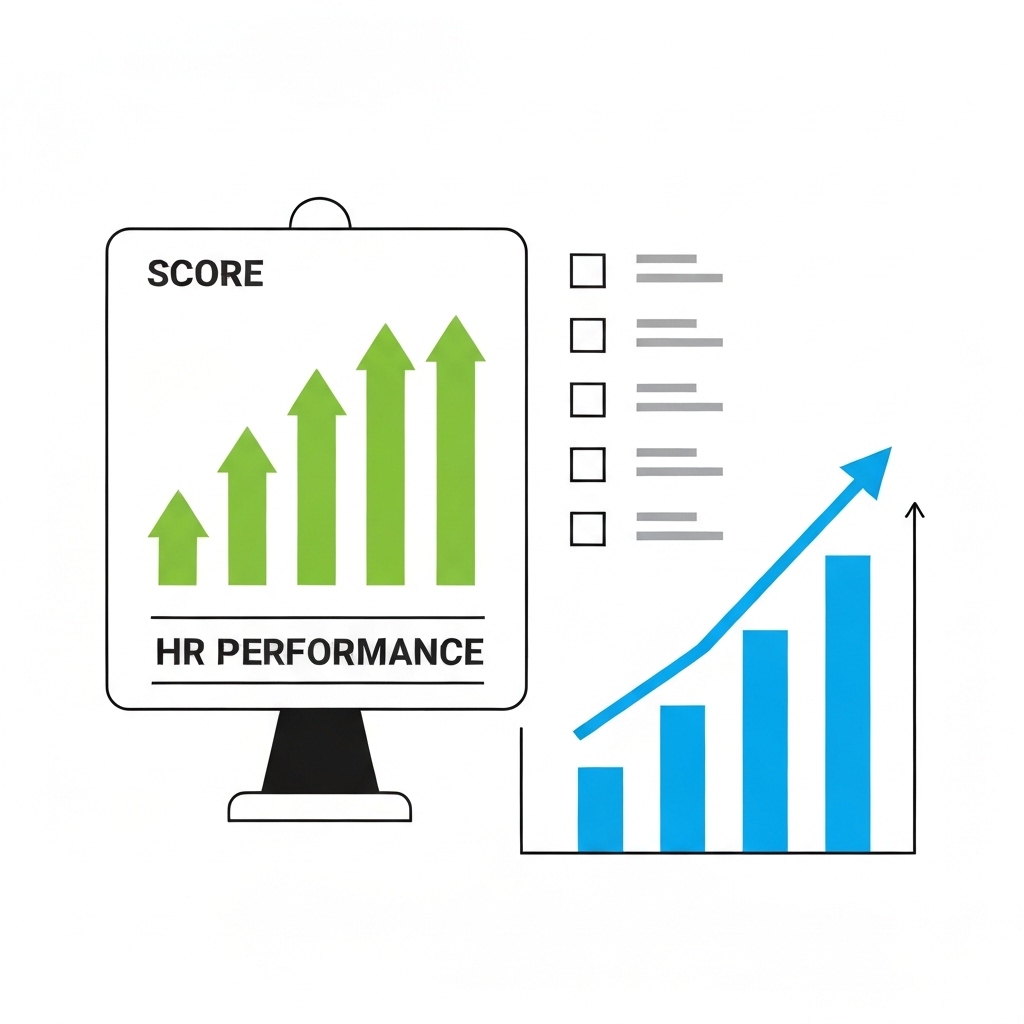
In today’s competitive business landscape, Human Resources (HR) plays a pivotal role in driving organizational success. An effective HR Scorecard is more than just a tool—it’s a strategic framework that aligns HR metrics with business goals, measures performance, and identifies areas for improvement. However, many organizations struggle to optimize their HR Scorecards, missing out on opportunities to enhance productivity, employee engagement, and overall business outcomes.
This article explores 5 actionable strategies to improve your HR Scorecard, backed by practical insights and proven methodologies. Whether you’re an HR professional, business leader, or team manager, these strategies will help you transform your HR practices and deliver measurable results.
1. Align HR Metrics with Business Objectives
The foundation of an effective HR Scorecard lies in its alignment with organizational goals. Too often, HR metrics are siloed from broader business objectives, leading to misaligned efforts and limited impact.
How to Align:
- Identify Core Business Goals: Start by understanding your organization’s strategic priorities. Are you focused on growth, cost reduction, innovation, or customer satisfaction?
- Map HR Metrics to Goals: For example, if the business goal is to improve customer satisfaction, HR metrics could include employee engagement, training completion rates, and turnover in customer-facing roles.
- Use the Balanced Scorecard Approach: Adopt the Balanced Scorecard framework to integrate financial, customer, internal process, and learning & growth perspectives into your HR metrics.
Pro Tip: Regularly review and adjust your HR metrics as business priorities evolve. This ensures your Scorecard remains relevant and impactful.
2. Focus on Leading Indicators, Not Just Lagging Metrics
Traditional HR Scorecards often rely on lagging metrics—such as turnover rates or time-to-hire—which reflect past performance but offer little insight into future trends. Leading indicators, on the other hand, predict future outcomes and allow for proactive interventions.
Examples of Leading Indicators:
- Employee Engagement Surveys: High engagement scores often correlate with lower turnover and higher productivity.
- Training Participation Rates: Increased participation in skill-building programs can signal a more adaptable workforce.
- Internal Mobility Metrics: Tracking promotions and lateral moves can indicate a healthy talent pipeline.
How to Implement:
- Balance Lagging and Leading Metrics: Include both types in your Scorecard to provide a holistic view of HR performance.
- Monitor Trends: Use data analytics to identify patterns and predict future challenges or opportunities.
1.
Pro Tip: Invest in HR analytics tools to track and visualize leading indicators in real time.
3. Leverage Technology to Streamline Data Collection
Manual data collection is time-consuming, error-prone, and limits the scalability of your HR Scorecard. Leveraging technology can automate processes, improve accuracy, and provide deeper insights.
Tools to Consider:
- HRIS (Human Resources Information Systems): Centralize employee data, track performance, and generate reports.
- People Analytics Platforms: Analyze workforce trends, predict turnover, and identify high-potential employees.
- Pulse Survey Tools: Gather real-time feedback on employee engagement and satisfaction.
How to Implement:
- Audit Your Current Systems: Identify gaps in your data collection and reporting processes.
- Invest in Integrated Solutions: Choose tools that seamlessly integrate with your existing systems to avoid data silos.
- Train Your Team: Ensure HR professionals are equipped to use new technologies effectively.
Pro Tip: Start small by automating one or two key metrics before scaling up.
4. Foster a Culture of Accountability and Transparency
An HR Scorecard is only as effective as the people who use it. Fostering a culture of accountability and transparency ensures that HR metrics are not just tracked but acted upon.
Strategies to Foster Accountability:
- Communicate the “Why”: Help employees understand how HR metrics contribute to business success.
- Set Clear Goals: Define measurable objectives for each metric and assign ownership to specific teams or individuals.
- Provide Regular Feedback: Share Scorecard results with stakeholders and discuss actionable next steps.
How to Promote Transparency:
- Share Data Widely: Make key HR metrics accessible to all employees, not just leadership.
- Celebrate Wins: Recognize teams or individuals who contribute to positive outcomes.
Pro Tip: Use dashboards or visual reports to make HR data easy to understand and actionable.
5. Continuously Review and Optimize Your Scorecard
An HR Scorecard is not a set-it-and-forget-it tool. Regular reviews and optimizations are essential to ensure it remains effective and aligned with evolving business needs.
Steps to Optimize:
- Conduct Quarterly Reviews: Assess the relevance and impact of each metric. Are they still driving the right behaviors?
- Gather Feedback: Solicit input from HR teams, managers, and employees to identify areas for improvement.
- Benchmark Against Industry Standards: Compare your Scorecard metrics to industry benchmarks to identify gaps.
How to Iterate:
- Test New Metrics: Experiment with additional metrics to capture emerging trends or priorities.
- Refine Reporting: Simplify reports to focus on the most critical insights.
Pro Tip: Treat your HR Scorecard as a living document that evolves with your organization.
Conclusion: Transform Your HR Scorecard into a Strategic Asset
Improving your HR Scorecard is not just about tracking numbers—it’s about driving meaningful change that aligns HR practices with business goals. By aligning metrics with objectives, focusing on leading indicators, leveraging technology, fostering accountability, and continuously optimizing, you can transform your HR Scorecard into a powerful tool for success.
Ready to take your HR practices to the next level? Start implementing these strategies today and watch your organization thrive.