
Discover how AI-enabled process improvement in logistics can slash costs and boost efficiency. Explore cutting-edge strategies to optimize operations, reduce waste, and drive profitability in your supply chain.
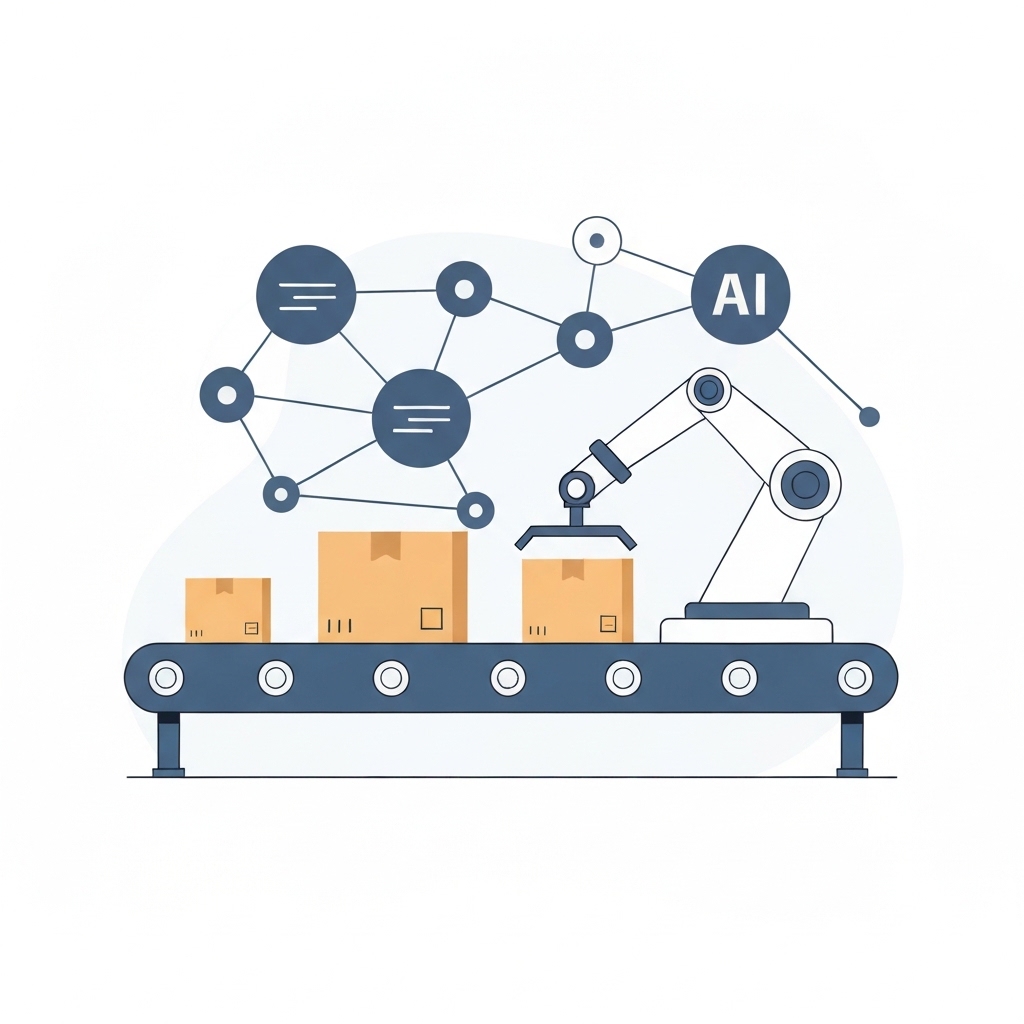
In today’s competitive business landscape, logistics and supply chain management face constant pressure to reduce costs while maintaining or improving service levels. The rise of artificial intelligence (AI) has unlocked unprecedented opportunities to achieve these goals. By leveraging AI-enabled process improvement, companies can streamline operations, eliminate inefficiencies, and drive significant cost savings. This article explores practical strategies to harness AI in logistics, backed by real-world applications and actionable insights.
The Logistics Cost Challenge: Why AI is the Game-Changer
Logistics costs can account for up to 10% of a company’s revenue, with inefficiencies in areas like transportation, warehousing, and inventory management driving up expenses. Traditional cost-reduction methods often involve trade-offs, such as cutting labor or compromising service quality. AI, however, offers a transformative approach by optimizing processes at every stage of the supply chain.
AI technologies, including machine learning, predictive analytics, and automation, enable logistics providers to:
- Predict demand more accurately to reduce overstocking or stockouts.
- Optimize routes to minimize fuel consumption and delivery times.
- Automate repetitive tasks to free up human resources for strategic activities.
- Identify bottlenecks in real-time to prevent disruptions.
By integrating AI into logistics processes, companies can achieve substantial cost reductions. Let’s explore the strategies that make this possible.
1. Demand Forecasting and Inventory Optimization
Inventory management is a significant cost driver in logistics. Excess stock ties up capital, while shortages lead to lost sales and customer dissatisfaction. AI-powered demand forecasting uses historical data, market trends, and external factors (e.g., weather, economic indicators) to predict demand with high accuracy.
How It Works:
- Machine learning algorithms analyze sales data patterns to identify trends and anomalies.
- Predictive models adjust inventory levels in real-time, ensuring optimal stock across the supply chain.
Impact:
- Reduced carrying costs: Lower inventory levels minimize storage and holding expenses.
- Fewer stockouts: Improved accuracy ensures product availability when needed.
- Enhanced cash flow: Capital is freed up for strategic investments.
Example: Walmart uses AI-driven demand forecasting to optimize inventory across its global network, reducing costs while improving product availability.
2. Route Optimization and Transportation Efficiency
Transportation is a major cost component in logistics, with fuel, maintenance, and labor as key expenses. AI-enabled route optimization leverages real-time data to identify the most efficient routes, reducing fuel consumption and delivery times.
How It Works:
- AI algorithms analyze factors like traffic, weather, and road conditions to determine optimal routes.
- Dynamic routing adjusts plans in real-time to account for unexpected delays.
Impact:
- Lower fuel costs: Optimized routes reduce mileage and fuel consumption.
- Faster deliveries: Improved efficiency enhances customer satisfaction.
- Reduced emissions: Eco-friendly routing aligns with sustainability goals.
Example: UPS’s ORION system uses AI to optimize delivery routes, saving millions of gallons of fuel annually.
3. Warehouse Automation and Robotics
Warehousing is another area ripe for AI-driven cost reduction. Manual processes are time-consuming and error-prone, while labor costs continue to rise. AI-powered automation and robotics streamline operations, from picking and packing to inventory management.
How It Works:
- Robotic process automation (RPA) handles repetitive tasks like sorting and packing.
- AI-driven systems optimize warehouse layouts and inventory placement for faster order fulfillment.
Impact:
- Labor cost savings: Automation reduces reliance on manual labor.
- Increased throughput: Robots work faster and more efficiently than humans.
- Fewer errors: AI minimizes mistakes in picking and packing.
Example: Amazon’s use of robotic arms and AI-powered systems in its fulfillment centers has significantly reduced operational costs while improving order accuracy.
4. Predictive Maintenance for Equipment
Equipment breakdowns cause costly delays and disruptions. Predictive maintenance uses AI to monitor equipment health and predict failures before they occur, minimizing downtime and repair costs.
How It Works:
- IoT sensors collect data on equipment performance, such as temperature and vibration.
- AI algorithms analyze this data to identify patterns indicative of potential failures.
Impact:
- Reduced downtime: Proactive maintenance prevents unexpected breakdowns.
- Lower repair costs: Early issue detection avoids costly repairs.
- Extended equipment lifespan: Regular maintenance prolongs asset life.
Example: DHL uses predictive maintenance to optimize its fleet and warehouse equipment, reducing maintenance costs by 15%.
5. Real-Time Tracking and Visibility
Lack of supply chain visibility leads to inefficiencies, delays, and additional costs. AI-enabled tracking systems provide real-time insights into goods movement, enabling better decision-making and risk management.
How It Works:
- AI integrates data from GPS, RFID, and IoT sensors for a unified supply chain view.
- Predictive analytics identifies potential disruptions and suggests mitigation strategies.
Impact:
- Faster issue resolution: Real-time data enables quick responses to delays.
- Improved customer service: Accurate tracking enhances transparency and trust.
- Reduced risk: Proactive management minimizes disruption impact.
Example: Maersk uses AI-powered tracking systems to monitor global shipments, reducing delays and improving customer satisfaction.
6. Supplier and Partner Network Optimization
The efficiency of a logistics network depends on supplier and partner performance. AI analyzes supplier data to identify the most reliable and cost-effective partners, ensuring a seamless supply chain.
How It Works:
- AI evaluates suppliers based on delivery times, quality, and cost.
- Predictive models identify network risks and suggest alternatives.
Impact:
- Cost savings: Partnering with cost-effective suppliers reduces expenses.
- Improved reliability: High-performing partners minimize disruptions.
- Risk mitigation: Proactive supplier management ensures continuity.
Example: Procter & Gamble uses AI to optimize its supplier network, achieving significant cost savings and improved resilience.
Implementing AI in Logistics: Key Considerations
While AI offers clear benefits, successful implementation requires careful planning. Key considerations include:
- Data Quality: AI relies on high-quality data. Ensure systems capture accurate, relevant information.
- Change Management: Introduce AI gradually, providing employee training and support.
- Scalability: Choose AI solutions that grow with your business and adapt to changing needs.
- Ethical AI: Ensure AI systems are transparent, fair, and compliant with regulations.
- ROI Focus: Prioritize AI initiatives with the highest return on investment.
The Future of AI in Logistics
As AI technology evolves, its impact on logistics will deepen. Emerging trends like autonomous vehicles, blockchain integration, and hyper-automation promise to further revolutionize the industry. Companies embracing AI-enabled process improvement today will be well-positioned for future success.
Conclusion
Cost reduction in logistics is no longer about cutting corners—it’s about leveraging AI for smarter, more efficient processes. By implementing strategies like demand forecasting, route optimization, and warehouse automation, companies can achieve significant savings while enhancing performance. The journey to AI-enabled logistics requires an initial investment, but the long-term benefits far outweigh the costs.
Ready to transform your logistics operations? Start by identifying areas where AI can deliver the greatest impact, and take the first step toward a more efficient, cost-effective supply chain.