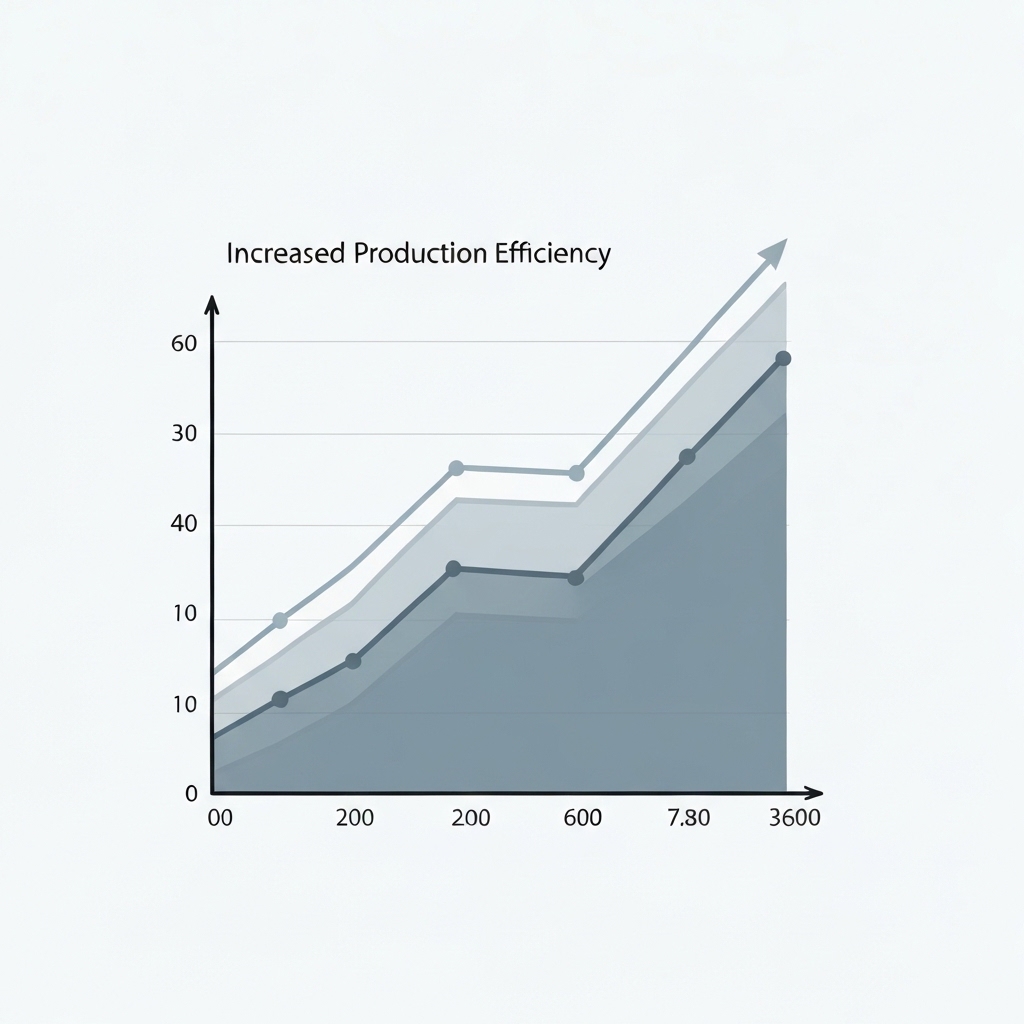
In modern manufacturing, efficiency is king. AI isn’t a buzzword here—it’s a practical tool that reshapes how you schedule work, manage resources, and cut downtime. This article provides actionable steps you can implement now to optimize production schedules with AI and keep machines, people, and materials moving smoothly.
Why AI matters in production scheduling
Traditional scheduling relies on static rules and manual adjustments. AI, by contrast, learns from real-time data, predicts disruptions, and recommends adjustments before failures occur. The result is tighter throughput, less idle time, and fewer late deliveries. The payoff isn’t just faster lines—it’s a more resilient operation.
Set clear data foundations
AI only performs as well as the data it uses. Start with a clean data foundation:
- Standardize data formats across MES, ERP, and shop-floor systems.
- Tag all work orders with complete metadata: part numbers, ROUTING, batch IDs, setup times, and constraints.
- Centralize real-time metrics: machine status, throughput, quality, and downtime reasons.
- Implement a reliable data quality process. Fix gaps, remove duplicates, and normalize units.
With solid data, you enable AI to see true factory conditions, not noisy approximations.
Choose the right AI approach
Three practical models fit most manufacturing needs:
- Predictive maintenance models forecast equipment failures and schedule preemptive servicing to minimize unplanned downtime.
- Demand and capacity forecasting aligns production with demand, preventing overproduction and stockouts.
- Dynamic scheduling engines optimize sequences and resources in real time, balancing throughput with constraints.
Start with one use case, prove value quickly, then expand. A phased approach reduces risk and builds executive confidence.
Integrate AI with your scheduling workflow
AI should augment, not replace, human judgment. Design a hybrid workflow:
- Input: collect current orders, inventories, equipment status, and delivery windows.
- AI output: recommended schedules, prioritized job queues, and recommended maintenance windows.
- Human review: planners adjust for strategic exceptions, signature approvals, and safety concerns.
- Execution: automated dispatch to shop-floor controllers with clear handoffs.
Keep humans in the loop for critical decisions. AI shines at processing complexity; humans excel at context and prioritization.
Implement a robust data-to-action loop
Turn data into timely actions with a closed loop:
- Capture signals: machine health, cycle times, scrap rates, material availability.
- Infer insights: detect recurring bottlenecks, material constraints, and setup time heavy routes.
- Act: adjust schedules, reallocate work, or trigger preventive maintenance based on insights.
- Learn: feed outcomes back to the model to improve future recommendations.
Consistency in looping this cycle reduces drift between model predictions and shop-floor reality.
Design for quick wins
Focus on high-impact, low-friction improvements first:
- Reduce setup times with SMED-inspired AI suggestions. The model spots the longest setups and proposes sequence changes or parallelization opportunities.
- Reschedule around bottlenecks. If a machine is overutilized, AI proposes shift changes or parallel lines to balance load.
- Protect critical orders. AI flags priority jobs and creates contingency sequences to meet due dates.
These rapid wins build trust and demonstrate value to leadership and shop-floor teams.
Manage variability with buffers and zones
Variability is inevitable. AI helps you design intelligent buffers where they matter most:
- Material buffers programmed around supplier lead times and transit risks.
- Capacity buffers for scarce resources, ensuring critical parts always have a slot.
- Quality buffers that quarantine at-risk lots earlier in the line to prevent widespread scrap.
Dynamic buffer sizing, guided by AI, keeps schedules feasible even when the unexpected happens.
Optimize maintenance windows intelligently
Downtime is costly. Align maintenance with production realities:
- Use predictive signals to plan preventive maintenance during the lightest load windows.
- Stagger maintenance to avoid multiple lines going offline at once.
- Sync maintenance with supplier support windows for quick parts replacements.
This minimizes disruption while extending equipment life and reliability.
Scale from pilot to full production
Transitioning from pilot to enterprise-wide use requires careful planning:
- Establish a cross-functional steering committee with IT, operations, and supply chain leads.
- Document success metrics: on-time delivery, overall equipment effectiveness (OEE), changeover time, and downtime hours avoided.
- Set phased rollout milestones by line, product family, and region.
- Invest in model governance: version control, testing environments, and rollback plans.
A disciplined scale plan helps ensure the AI impact remains positive as scope widens.
Key metrics to track success
Measure what matters. Start with these:
- Downtime reduction: hours per week and downtime by cause.
- OEE improvement: availability × performance × quality.
- Throughput per hour: units produced per hour by line or cell.
- On-time delivery rate: completed orders by promised dates.
- Changeover time: time to switch from one job to another.
- Plan adherence: AI-recommended schedule variance vs actual execution.
Regularly review these with the executive team to validate ROI and refine the approach.
Governance and risk considerations
AI deployment brings governance needs and risk controls:
- Data privacy and security: protect sensitive production data and ensure access controls.
- Model explainability: ensure planners can understand why AI proposes certain sequences.
- Change management: train staff and create incentives to adopt AI-driven scheduling.
- Contingency planning: fallback procedures if AI outputs become unavailable or unreliable.
Clear governance avoids resistance and maintains steady progress.
Culture and change management
Technology only works if people embrace it. Support with simple actions:
- Start with hands-on training sessions that show practical, repeatable steps.
- Use quick wins to build confidence and reduce fear of automation.
- Encourage cross-functional collaboration between production, maintenance, and planning teams.
- Share transparent performance dashboards that highlight improvements and next steps.
A culture of continuous learning keeps AI from becoming a one-off project.
Common pitfalls and how to avoid them
Be aware of frequent missteps and counter them:
- Overfitting the model to a single plant’s data. Mitigate with multi-site data and regular recalibration.
- Ignoring data quality gaps. Address root causes before relying on AI outputs.
- Trying to automate every decision at once. Prioritize based on impact and feasibility.
- Underestimating change management. Invest in training and stakeholder alignment from day one.
Staying grounded in practical constraints keeps the project on track.
A practical implementation plan
Use this six-step plan to start today:
- Step 1: Define a single, high-impact use case (e.g., reduce changeover time on their fastest line).
- Step 2: Gather and clean data, map current processes, and identify constraints.
- Step 3: Deploy a minimal viable AI scheduling module focused on the chosen use case.
- Step 4: Run a controlled pilot, compare with baseline, and quantify benefits.
- Step 5: Expand to additional lines or products with standardized interfaces.
- Step 6: Establish ongoing governance, dashboards, and a learning loop for continuous improvement.
Start small, learn fast and scale with discipline.
Conclusion: turning AI into a competitive advantage
AI-powered scheduling changes the math of manufacturing. It aligns demand with capacity, reduces unplanned downtime, and speeds time-to-market. But the true value comes from disciplined data practices, a measured rollout, and people empowered to use the new tools. When you combine reliable data, targeted AI models, and clear governance, you transform production from a cause of bottlenecks to a source of competitive advantage.