
Executive Summary
A Business Intelligence (BI) scorecard is a strategic tool that aligns daily operations with long-term goals by visualizing KPIs and performance metrics. It helps teams track progress, identify gaps, and make data-driven decisions. This guide explains how to build and use scorecards effectively.
What Is a Business Intelligence Scorecard?
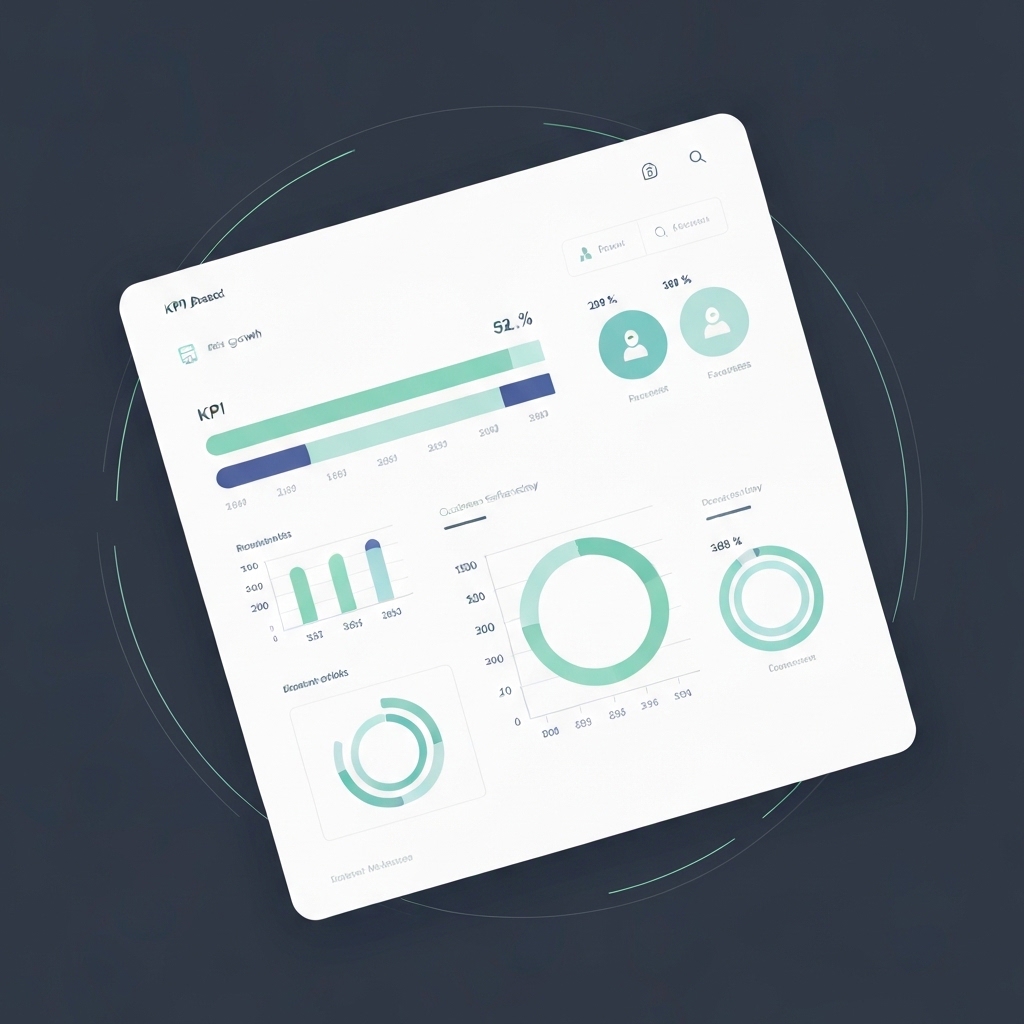
A BI scorecard is a visual framework that translates organizational goals into measurable metrics. Unlike generic dashboards, it focuses on specific KPIs tied to strategic objectives. For example, a retail company might track “monthly sales growth” or “customer retention rate” to measure progress toward annual targets.
Scorecards often include:
- Target values (e.g., 20% revenue increase)
- Current performance indicators (e.g., 12% growth so far)
- Trend arrows or color-coded statuses (red/yellow/green)
Key Components of a BI Scorecard
1. Strategic Objectives
Break down high-level goals into departments or teams. Example: A tech startup aiming for “25% market share by 2025” might assign customer acquisition targets to marketing and product development timelines to engineering.
2. KPIs
Choose metrics directly tied to each objective. Use formulas like:
- Sales Growth = (Current Period Sales – Previous Period Sales) / Previous Period Sales
- Customer Lifetime Value = Average Purchase Value × Purchase Frequency × Customer Lifespan
3. Baseline Data
Establish starting points. A logistics company might set a baseline for “on-time delivery rate” at 85% before launching process improvements.
Why Scorecards Outperform Traditional Reporting
Traditional reports often show historical data without context. Scorecards add value by:
- Linking metrics to goals (e.g., showing 12% growth vs. a 15% target)
- Highlighting trends over time (e.g., declining customer satisfaction scores for three straight quarters)
- Enabling quick decisions (e.g., reallocating budgets if a campaign underperforms)
Fact: Organizations using scorecards see 2.3x faster decision-making cycles (Gartner, 2023).
Action Plan: Building Your First Scorecard
Step 1: Define 3-5 Strategic Priorities
Example: A healthcare provider might prioritize “Reduce patient wait times” and “Increase telehealth adoption.”
Step 2: Map KPIs to Each Priority
Use the SMART framework:
- Specific: “Reduce average ER wait time from 45 to 30 minutes”
- Measurable: “Track via timed check-in/check-out logs”
Step 3: Choose a Visualization Format
Options:
- Progress bars for goal completion
- Line charts for trend analysis
- Heatmaps for regional performance comparisons
Common Pitfalls to Avoid
Overloading Metrics
Symptom: Tracking 20+ KPIs across departments
Fix: Prioritize 2-3 critical metrics per team
Misaligned Timeframes
Symptom: Monthly sales KPIs vs. annual strategic goals
Fix: Use cascading scorecards (daily/weekly for teams, quarterly for executives)
Neglecting Data Quality
Symptom: Discrepancies between finance and sales reports
Fix: Automate data collection and establish a single source of truth
Measuring Success Beyond Numbers
While quantitative metrics matter, combine them with qualitative insights. Example: A SaaS company noticed a dip in user engagement scores. Follow-up surveys revealed technical debt slowing down their app, prompting a development team reallocation.
Next Steps: Scorecard Maturity Model
Level 1: Basic scorecards with 2-3 KPIs
Level 2: Automated dashboards with real-time updates
Level 3: Predictive scorecards using AI to forecast trends
Action Item: Audit your current scorecard maturity and identify one step to advance to the next level.
Key Takeaways
1. A BI scorecard bridges the gap between strategy and execution.
2. Focus on fewer, meaningful metrics tied directly to objectives.
3. Regularly review and adjust KPIs as business priorities evolve.
4. Combine quantitative data with qualitative analysis for deeper insights.