
Discover how AI-driven marketing strategies are revolutionizing campaign tracking, offering unparalleled insights and efficiency. Stay ahead of the curve with cutting-edge tools and techniques to optimize your campaigns like never before.
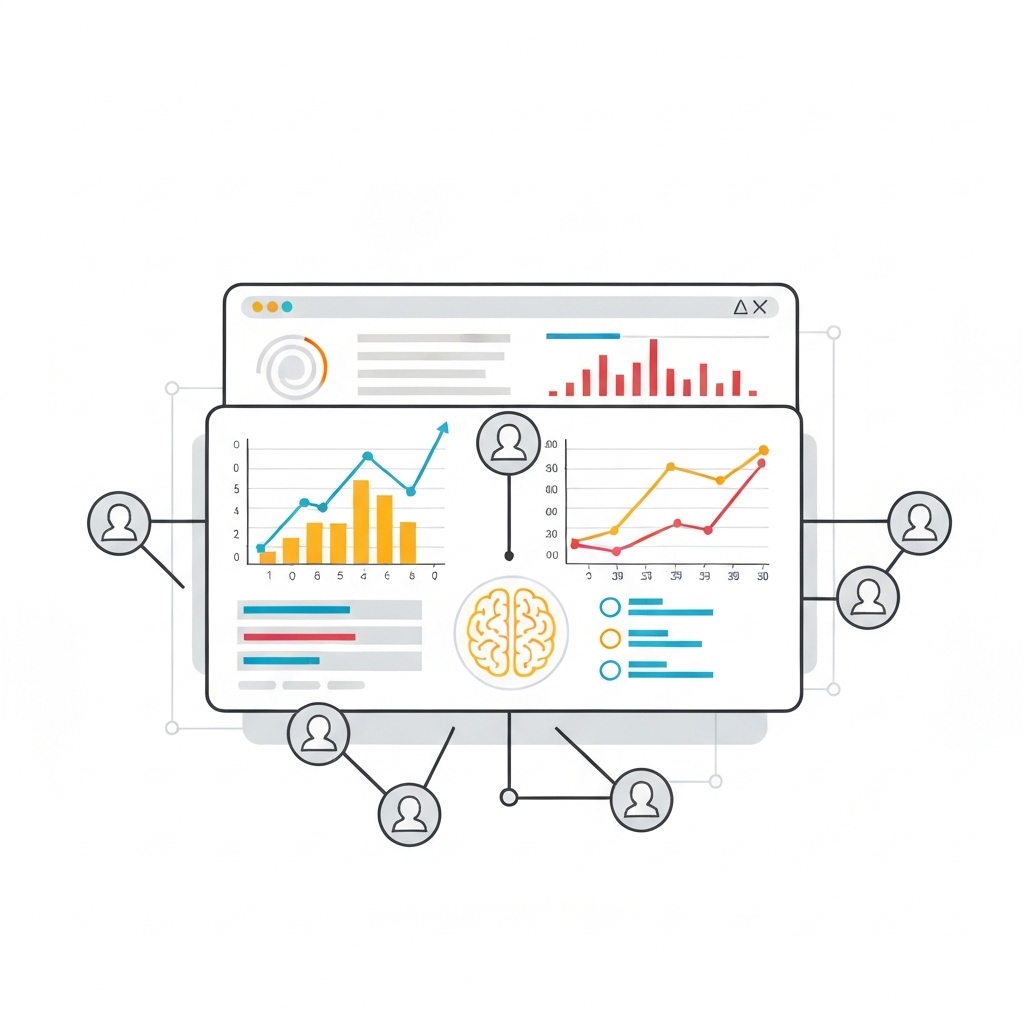
In the ever-evolving digital landscape, marketers are continually seeking innovative ways to measure, optimize, and scale their campaigns. AI-driven marketing strategies have emerged as a transformative approach, revolutionizing the way campaign tracking is conducted. By leveraging artificial intelligence, businesses can gain unparalleled insights, automate repetitive tasks, and make data-driven decisions with precision. This article explores the profound impact of AI on campaign tracking, highlights the tools and techniques driving this shift, and provides practical strategies to integrate these advancements into your marketing efforts.
Why AI is Transforming Campaign Tracking
Campaign tracking has long been a cornerstone of marketing success. However, traditional methods often struggle to handle the vast amounts of data generated across multiple channels. AI steps in as a powerful solution, offering scalability, speed, and sophistication that surpass human analysis.
Here’s why AI is a game-changer for campaign tracking:
- Real-Time Insights: AI algorithms process data in real-time, enabling marketers to identify trends and anomalies as they occur.
- Predictive Analytics: Machine learning models predict future outcomes based on historical data, helping marketers anticipate customer behavior.
- Personalization at Scale: AI-powered tools analyze individual user preferences to deliver hyper-personalized campaigns.
- Cost Efficiency: Automation reduces manual labor, saving time and resources while improving accuracy.
- Cross-Channel Integration: AI consolidates data from various platforms, providing a holistic view of campaign performance.
With these capabilities, AI is not just enhancing campaign tracking—it’s redefining it.
Key AI Tools and Techniques for Campaign Tracking
The rise of AI-driven marketing strategies is fueled by cutting-edge tools and techniques designed to streamline campaign tracking. Here are some of the most impactful ones:
1. AI-Powered Analytics Platforms
Tools like Google Analytics and Adobe Analytics leverage AI to provide deeper insights into user behavior. These platforms use machine learning to identify patterns, segment audiences, and predict outcomes, making it easier to track campaign performance across channels.
2. Predictive Analytics Tools
Platforms such as Salesforce Einstein and IBM Watson use predictive analytics to forecast campaign outcomes. By analyzing historical data, these tools help marketers optimize ad spend, improve ROI, and target the right audience at the right time.
3. Natural Language Processing (NLP)
NLP tools like Brand24 and Hootsuite Insights analyze customer sentiment across social media and other platforms. This helps marketers understand how their campaigns are perceived and make data-driven adjustments.
4. Automated Reporting and Dashboards
AI-driven reporting tools like Tableau and Power BI automate the creation of campaign performance reports. These dashboards provide real-time visualizations, making it easier to track KPIs and share insights with stakeholders.
5. Programmatic Advertising
AI-powered programmatic platforms like The Trade Desk and Google Display & Video 360 optimize ad placements in real-time. By analyzing user data, these tools ensure that ads reach the most relevant audience, maximizing campaign effectiveness.
Practical Strategies to Implement AI in Campaign Tracking
Adopting AI-driven marketing strategies doesn’t require a complete overhaul of your existing processes. Here are actionable steps to integrate AI into your campaign tracking efforts:
1. Start with Clear Objectives
Define what you want to achieve with AI-driven campaign tracking. Whether it’s improving ROI, enhancing personalization, or reducing manual effort, having clear goals will guide your strategy.
2. Invest in the Right Tools
Choose AI tools that align with your objectives and budget. Start with platforms that offer seamless integration with your existing marketing stack to ensure a smooth transition.
3. Leverage Data Effectively
AI thrives on data. Ensure your data is clean, organized, and accessible. Use AI-powered data management tools to consolidate information from various sources and eliminate silos.
4. Focus on Personalization
Use AI to segment your audience and deliver personalized messages. Tools like dynamic content generators and recommendation engines can significantly improve engagement and conversion rates.
5. Monitor and Optimize Continuously
AI is not a set-it-and-forget-it solution. Regularly monitor campaign performance, analyze insights, and make data-driven adjustments to maximize results.
6. Upskill Your Team
Provide training to your marketing team to ensure they understand how to use AI tools effectively. A skilled team can unlock the full potential of AI-driven campaign tracking.
Real-World Examples of AI-Driven Campaign Tracking
To illustrate the power of AI in campaign tracking, here are a few success stories:
- Coca-Cola: The brand used AI-powered analytics to track the performance of its “Share a Coke” campaign across multiple channels. By analyzing real-time data, Coca-Cola optimized its messaging and ad placements, resulting in a significant boost in engagement.
- Netflix: The streaming giant leverages AI to track user behavior and personalize recommendations. This data-driven approach has been instrumental in retaining subscribers and driving content consumption.
- Sephora: The beauty retailer uses AI to track the effectiveness of its email marketing campaigns. By analyzing open rates, click-throughs, and conversions, Sephora continuously refines its strategies to deliver personalized offers.
Challenges and Considerations
While AI offers immense potential for campaign tracking, it’s not without challenges. Here are some key considerations:
- Data Privacy: With AI relying heavily on user data, ensuring compliance with regulations like GDPR is crucial.
- Cost of Implementation: AI tools can be expensive, and the ROI may not be immediate. It’s important to start small and scale gradually.
- Skill Gap: Implementing AI requires specialized skills. Investing in training or hiring experts may be necessary.
- Over-Reliance on Automation: While AI can handle many tasks, human oversight is still essential to interpret insights and make strategic decisions.
The Future of AI-Driven Campaign Tracking
As AI technology continues to evolve, its impact on campaign tracking will only deepen. Emerging trends like **generative AI**, **voice search optimization**, and **augmented reality (AR)** integrations are set to further transform how marketers track and optimize campaigns.
Moreover, the rise of **AI-driven creative tools** will enable marketers to generate personalized ad copies, visuals, and videos at scale, making campaigns even more effective.
Conclusion
The rise of AI-driven marketing strategies for campaign tracking is not just a trend—it’s a paradigm shift. By harnessing the power of AI, marketers can unlock unprecedented insights, automate repetitive tasks, and deliver hyper-personalized experiences. As the digital landscape continues to evolve, embracing AI is no longer optional—it’s essential for staying competitive.
Whether you’re a small business or a global enterprise, now is the time to explore AI-driven tools and techniques to take your campaign tracking to the next level. The future of marketing is here, and it’s powered by AI.
Ready to revolutionize your campaign tracking? Start small, stay curious, and let AI be your guide to marketing success.