
Discover how small businesses can leverage AI to enhance service quality, streamline operations, and boost customer satisfaction. Learn practical strategies and tools to stay competitive in today’s digital landscape.
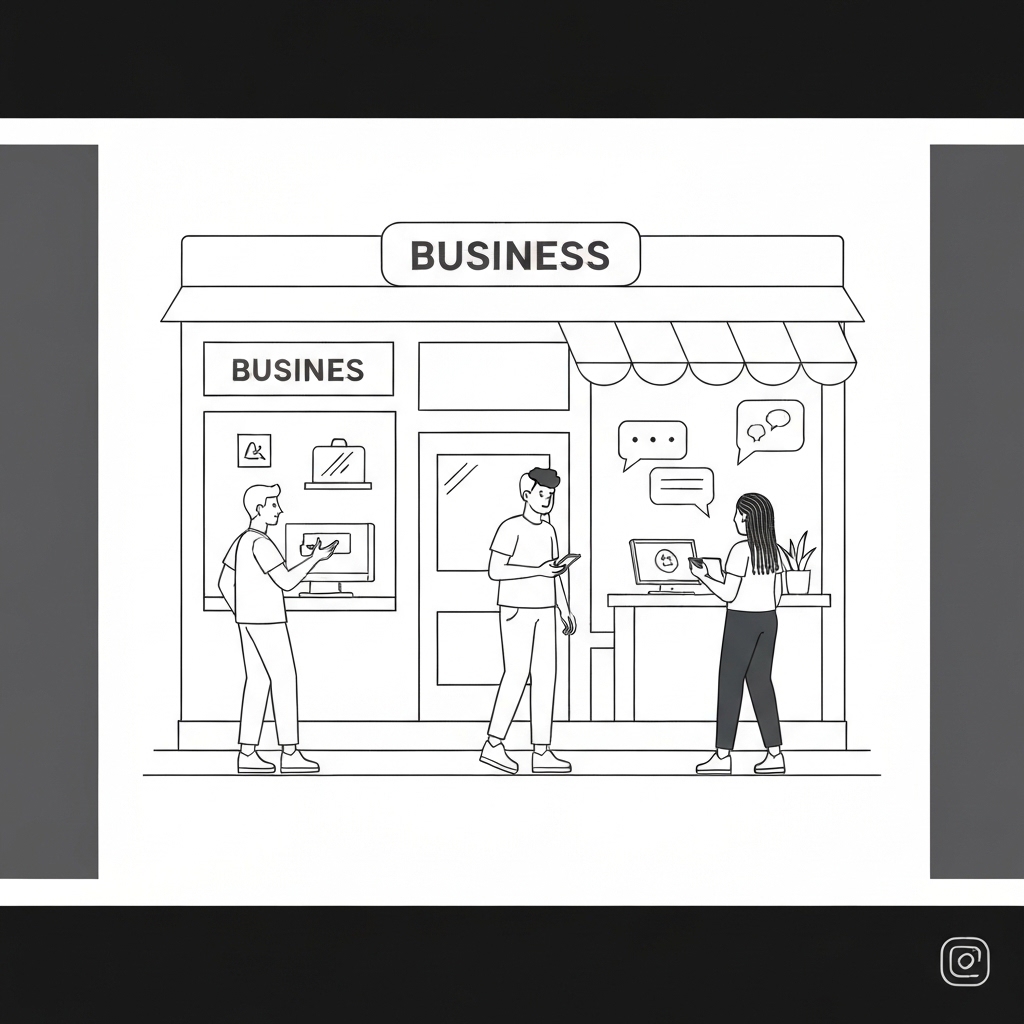
In the fast-paced digital landscape, small businesses face increasing pressure to deliver exceptional service while managing limited resources. Artificial Intelligence (AI) has emerged as a game-changer, offering practical tools and strategies to enhance service quality, streamline operations, and boost customer satisfaction. This article explores how small businesses can leverage AI to stay competitive, improve efficiency, and create memorable customer experiences.
Why AI Matters for Small Businesses
Small businesses often operate with tight budgets and lean teams, making it challenging to compete with larger corporations. AI levels the playing field by automating repetitive tasks, providing data-driven insights, and enabling personalized customer interactions. Studies show that companies adopting AI experience significant increases in productivity and reductions in operational costs.
For small businesses, AI isn’t just a luxury—it’s a necessity. From chatbots to predictive analytics, AI tools are becoming more accessible and affordable, allowing even the smallest enterprises to harness their power.
Practical Ways AI Improves Service Quality
1. Enhancing Customer Interactions with Chatbots
Chatbots are one of the most accessible AI tools for small businesses. They provide instant responses to customer inquiries, reducing wait times and improving satisfaction. For example, a local bakery could use a chatbot on its website to answer FAQs about operating hours, menu items, or special orders.
Tip: Use platforms like Tidio or Drift to set up AI-powered chatbots without needing technical expertise.
2. Personalizing Customer Experiences
AI enables small businesses to deliver personalized experiences that rival those of larger brands. By analyzing customer data, AI can recommend products, tailor marketing messages, and anticipate needs. For instance, an online boutique could use AI to suggest items based on a customer’s browsing history.
Tool to Try: Mailchimp’s AI-powered marketing tools for personalized email campaigns.
3. Streamlining Operations with Automation
AI-driven automation can handle repetitive tasks like inventory management, scheduling, and invoicing. This frees up time for business owners and employees to focus on high-value activities. For example, a small manufacturing company could use AI to monitor stock levels and automatically reorder supplies.
Tool to Try: Zapier for automating workflows between apps.
4. Gaining Insights with Predictive Analytics
AI can analyze customer behavior and market trends to predict future demand. This helps small businesses make informed decisions about inventory, pricing, and marketing strategies. A local bookstore, for instance, could use AI to identify popular genres and stock accordingly.
Tool to Try: Google Analytics with AI-powered insights for data-driven decision-making.
5. Improving Customer Support with AI-Powered Tools
AI can enhance customer support by providing agents with real-time information and suggestions. Tools like Zendesk use AI to analyze customer inquiries and recommend solutions, ensuring faster and more accurate responses.
Tip: Train your team to work alongside AI tools for maximum efficiency.
Overcoming Challenges in AI Adoption
While AI offers significant benefits, small businesses may face challenges in implementation. Here’s how to overcome common hurdles:
1. Budget Constraints
Many AI tools are now available at affordable price points or even for free. Start with basic solutions and scale up as your business grows.
2. Lack of Technical Expertise
Choose user-friendly platforms designed for non-technical users. Many AI tools come with tutorials and customer support to guide you.
3. Data Privacy Concerns
Ensure compliance with data protection regulations. Use AI tools that prioritize security and transparency.
4. Resistance to Change
Educate your team about the benefits of AI and involve them in the implementation process. Highlight how AI can make their jobs easier and more rewarding.
Real-World Examples of Small Businesses Using AI
-
Local Coffee Shop: AI-Powered Loyalty Program
A small coffee shop implemented an AI-driven loyalty program that tracked customer preferences and offered personalized rewards. This increased repeat visits significantly.
-
Boutique Fitness Studio: AI Scheduling Assistant
A fitness studio used an AI scheduling tool to manage class bookings and send automated reminders. This reduced no-shows and improved customer satisfaction.
-
E-Commerce Store: AI-Driven Product Recommendations
An online store integrated AI to suggest complementary products to shoppers. This increased average order value noticeably.
Getting Started with AI: A Step-by-Step Guide
- Identify Pain Points: Determine areas where AI can address inefficiencies or improve service quality.
- Research Tools: Explore AI solutions tailored to small businesses, such as chatbots, CRM systems, or analytics tools.
- Start Small: Begin with one or two AI tools to test their impact before scaling up.
- Train Your Team: Ensure employees understand how to use AI tools effectively.
- Measure Results: Track key metrics like customer satisfaction, response times, and operational efficiency to gauge success.
The Future of AI for Small Businesses
As AI technology continues to evolve, its applications for small businesses will only expand. From voice assistants to advanced analytics, the possibilities are endless. By embracing AI today, small businesses can future-proof their operations and stay ahead of the competition.
Conclusion
AI is a powerful resource for small businesses looking to improve service quality and drive growth. By leveraging AI-powered chatbots, automation, and analytics, small businesses can deliver exceptional customer experiences, streamline operations, and achieve sustainable success.
Ready to take the leap? Start small, stay curious, and watch your business thrive in the AI-driven era.