Discover how integrating AI into performance management revolutionizes real-time decision-making, enhances productivity, and drives future success. Stay ahead with cutting-edge strategies for seamless AI integration.
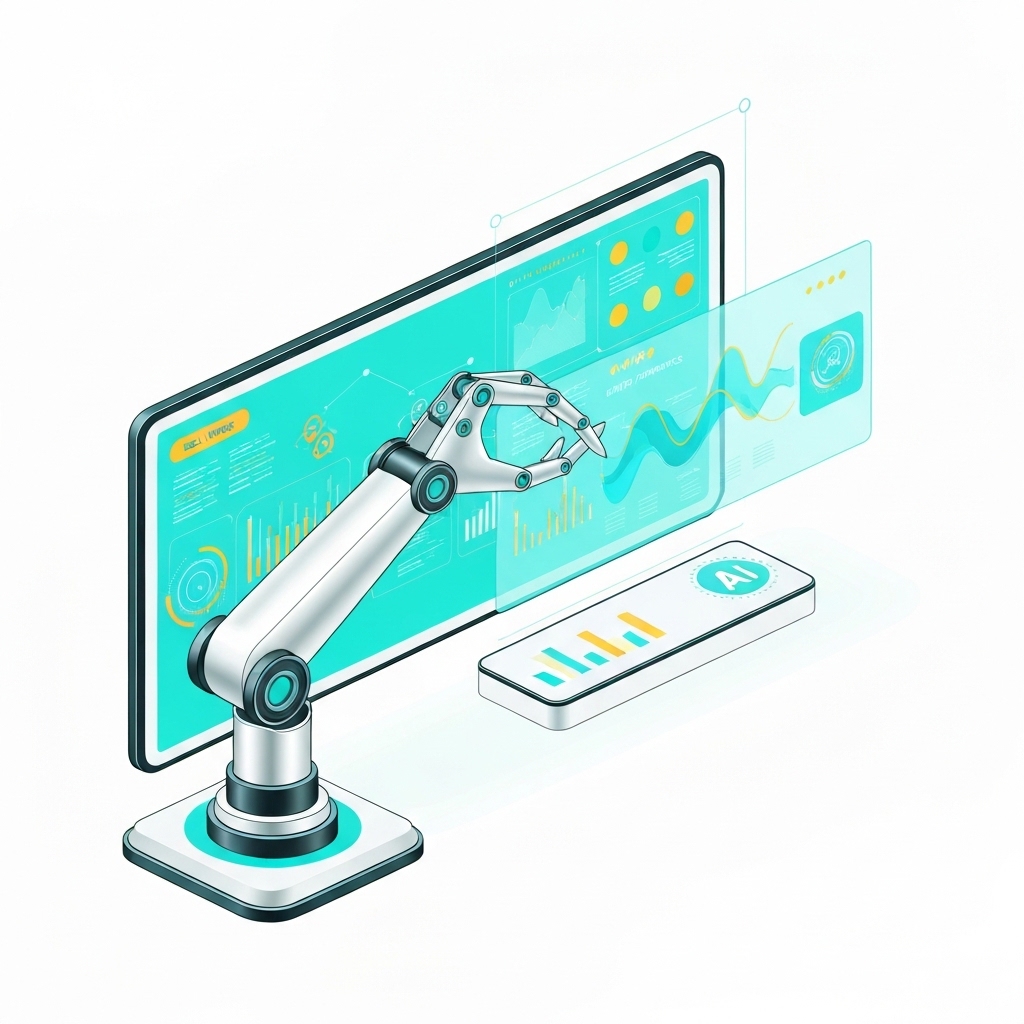
In today’s fast-paced business environment, performance management is evolving from a static, annual review process into a dynamic, real-time system powered by artificial intelligence (AI). As organizations strive to stay competitive, integrating AI into performance management is becoming essential. This article explores how AI is revolutionizing performance management, enabling real-time action, and driving success. We’ll dive into practical strategies, frameworks, and actionable insights to help you seamlessly integrate AI into your performance management systems.
Why AI is Transforming Performance Management
Traditional performance management often falls short in modern workplaces. Annual reviews, subjective feedback, and delayed insights hinder agility and employee growth. AI steps in as a game-changer by providing real-time data, predictive analytics, and personalized insights that empower both managers and employees.
Here’s how AI is reshaping performance management:
- Real-Time Feedback: AI tools analyze performance data as it happens, enabling immediate feedback and course correction.
- Data-Driven Decisions: AI eliminates bias by relying on objective metrics and patterns.
- Personalized Development: AI tailors learning and development plans to individual employee needs.
- Predictive Insights: AI identifies trends and potential issues before they escalate, allowing proactive intervention.
- Scalability: AI automates repetitive tasks, freeing up HR and managers to focus on strategic initiatives.
By integrating AI, organizations can create a performance management system that is agile, fair, and future-ready.
How AI is Reshaping Performance Management
AI’s impact on performance management is multifaceted. Here are the key areas where AI is making a difference:
1. Real-Time Performance Monitoring
AI-powered dashboards provide a 360-degree view of employee performance in real time. These tools track key performance indicators (KPIs), project milestones, and collaboration metrics. Platforms like Workday and SAP SuccessFactors use AI to generate instant insights, helping managers identify bottlenecks and celebrate wins promptly.
2. Predictive Analytics for Proactive Management
AI algorithms analyze historical and real-time data to predict future performance trends. For example, if an employee’s productivity declines, AI can flag potential issues like burnout or resource gaps. This allows managers to intervene before problems escalate, fostering a healthier work environment.
3. Personalized Employee Development
AI-driven learning platforms, such as Coursera and LinkedIn Learning, recommend courses and resources based on an employee’s skills gaps and career goals. This personalized approach ensures continuous growth and alignment with organizational objectives.
4. Bias-Free Performance Evaluations
Human bias often skews performance reviews. AI mitigates this by relying on objective data and predefined criteria. Tools like Eightfold.ai assess performance fairly, ensuring employees are evaluated based on merit rather than subjective opinions.
5. Automated Administrative Tasks
AI streamlines administrative tasks like data collection, report generation, and goal tracking. This frees up HR professionals and managers to focus on strategic initiatives, such as coaching and mentorship.
Practical Strategies for Integrating AI into Performance Management
Adopting AI in performance management requires a thoughtful approach. Here’s a step-by-step framework for seamless integration:
1. Define Clear Objectives
Identify what you want to achieve with AI. Whether it’s improving real-time feedback, reducing bias, or enhancing employee development, clear objectives will guide your technology choices and implementation strategy.
2. Choose the Right Tools
Select AI tools that align with your goals and integrate seamlessly with your existing systems. Consider options like:
- Performance Tracking: Workday, SAP SuccessFactors
- Learning & Development: Coursera, LinkedIn Learning
- Employee Engagement: Glint, Culture Amp
- Predictive Analytics: Eightfold.ai, Visier
3. Ensure Data Quality
AI relies on high-quality data to deliver accurate insights. Clean and standardize your data before implementing AI tools. Regularly audit your data sources to maintain accuracy and relevance.
4. Train Your Team
Employees and managers may feel intimidated by AI. Provide training and resources to help them understand how AI works and its benefits. Emphasize that AI is a tool to support, not replace, human decision-making.
5. Start Small and Scale Gradually
Begin with a pilot program to test AI tools in a controlled environment. Gather feedback, refine processes, and gradually roll out the technology across your organization.
6. Monitor and Iterate
AI is not a set-it-and-forget-it solution. Continuously monitor its performance, gather feedback, and make adjustments to ensure it remains effective and aligned with your goals.
Overcoming Challenges in AI Integration
While AI offers immense potential, its integration comes with challenges. Here’s how to address them:
1. Data Privacy Concerns
Implement robust data privacy policies and ensure compliance with regulations like GDPR and CCPA to address employee concerns about data usage.
2. Resistance to Change
Communicate the benefits of AI clearly and involve stakeholders in the decision-making process to overcome resistance.
3. Cost of Implementation
Start with cost-effective solutions and gradually invest in more advanced tools as your organization grows.
4. Ethical Considerations
Ensure AI algorithms are transparent and free from bias. Regularly audit your AI systems to maintain fairness and accountability.
The Future of Performance Management with AI
As AI continues to evolve, its role in performance management will deepen. Here’s what the future holds:
1. Hyper-Personalization
AI will offer even more personalized experiences, tailoring performance goals, feedback, and development plans to individual employees’ strengths and aspirations.
2. Enhanced Employee Experience
AI-driven tools will create a more engaging work environment by providing real-time recognition, career growth opportunities, and work-life balance insights.
3. Seamless Integration with Other Systems
AI will integrate with other HR systems, such as recruitment and payroll, to create a unified employee experience.
4. AI as a Strategic Partner
AI will move beyond automation to become a strategic partner, helping organizations make data-driven decisions and stay ahead of industry trends.
Conclusion: Embrace AI for a Performance-Driven Future
Integrating AI into performance management is no longer a futuristic concept—it’s a present-day necessity. By leveraging AI’s capabilities, organizations can create a performance management system that is real-time, data-driven, and employee-centric. The key lies in adopting a strategic approach, addressing challenges proactively, and staying committed to continuous improvement.
As you embark on this journey, remember: AI is not here to replace human judgment but to enhance it. By combining the power of AI with human intuition, you can unlock unprecedented levels of productivity, engagement, and success.
The future of performance management is here—are you ready to embrace it?