
Executive Summary
Transportation analytics transforms logistics operations by converting raw data into actionable insights. Companies leveraging these tools reduce fuel costs by up to 15% and improve delivery accuracy by 30%. This article explains how to implement analytics-driven strategies without vendor-specific solutions.
What Is Transportation Analytics?
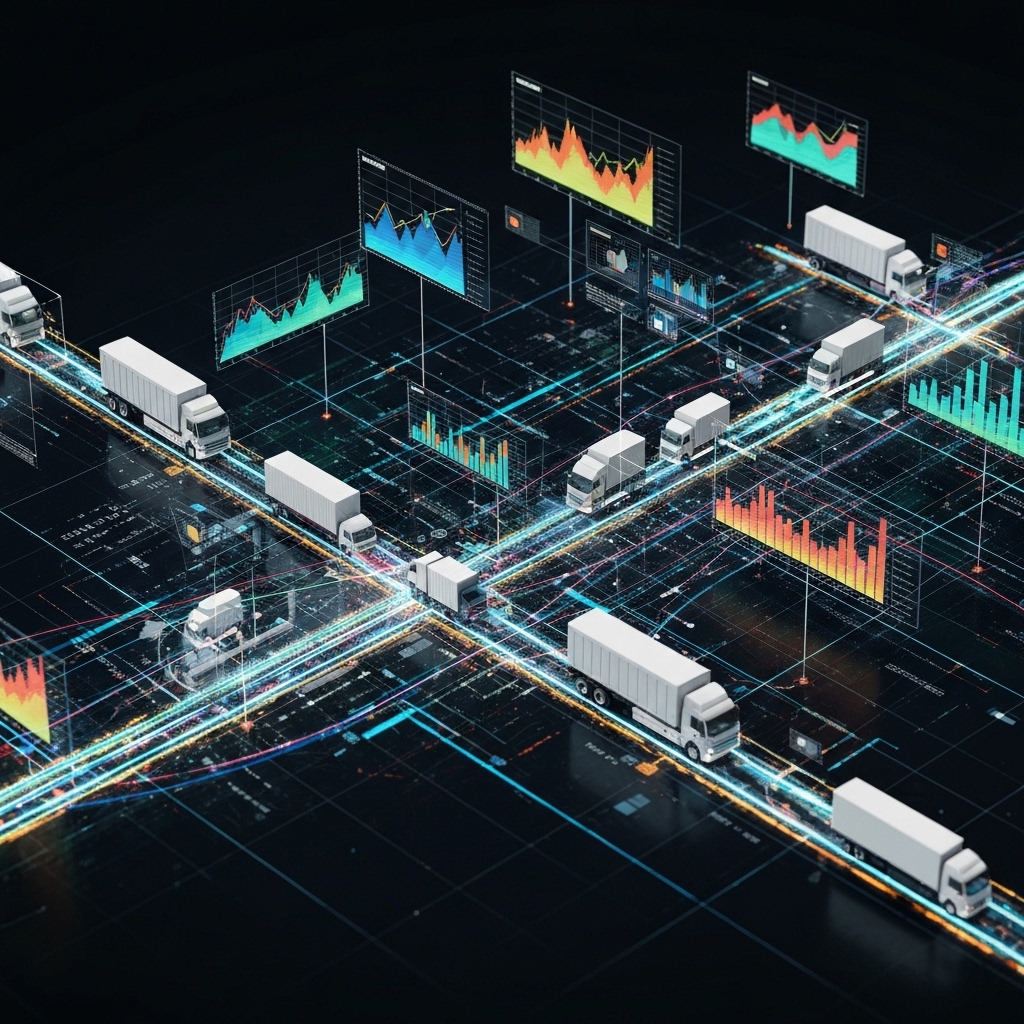
Transportation analytics combines GPS data, IoT sensors, and historical records to optimize supply chain operations. Key components include:
- Real-time vehicle tracking
- Fuel consumption patterns
- Route optimization algorithms
- Demand forecasting models
These tools turn operational data into measurable KPIs like on-time delivery rates and cost-per-mile metrics.
Why Logistics Needs Digital Transformation
Traditional logistics face three critical challenges:
- Inefficient routing: Companies waste 20% of fuel costs through suboptimal paths
- Manual tracking: Paper-based systems cause 12% inventory discrepancies
- Reactive maintenance: Unexpected breakdowns increase costs by $1,500 per vehicle annually
Digital transformation addresses these issues through predictive analytics and automated decision-making.
Four Ways Analytics Powers Modern Logistics
1. Dynamic Route Optimization
Real-time traffic data reduces travel time by 25% during peak hours. Example: A delivery fleet using AI-powered routing saved $220,000 annually in fuel costs.
2. Predictive Maintenance
Sensor data predicts equipment failures 72 hours in advance. Formula: (Maintenance Cost Saved) = (Number of Prevented Breakdowns) × (Average Downtime Cost)
3. Demand Forecasting
Machine learning models predict seasonal demand with 92% accuracy. A warehouse network using these tools reduced overstock costs by $500,000 yearly.
4. Fleet Utilization
Analytics identify underused assets. One trucking company increased capacity utilization from 68% to 89% by optimizing load planning.
Critical KPIs for Transportation Analytics
| KPI | Calculation | Benchmark |
|---|---|---|
| On-Time Delivery Rate | (On-Time Deliveries / Total Deliveries) × 100 | 95%+ |
| Fuel Efficiency | Miles Driven / Gallons Used | 6.5+ MPG |
| Cost Per Mile | Total Operating Costs / Miles Driven | $1.80 or less |
Implementation Action Plan
Start small but think strategically:
- Phase 1 – Data Integration
Connect GPS, fuel cards, and maintenance records into a centralized dashboard - Phase 2 – Pilot Testing
Run analytics on 20% of your fleet to measure baseline improvements - Phase 3 – Full Deployment
Scale successful models across operations
Common Implementation Mistakes
Avoid these pitfalls:
- Overlooking driver feedback when implementing new systems
- Trying to automate everything at once
- Ignoring historical data patterns during setup
Future-Proofing Your Logistics
Companies should prepare for:
- Autonomous vehicle integration (projected to reduce labor costs 40% by 2030)
- AI-powered contract management
- Blockchain for real-time cargo tracking
Takeaway
Start today with these three steps:
- Identify your top 3 logistics cost drivers
- Select one analytics use case to pilot
- Measure results using standardized KPIs
Logistics leaders who embrace analytics now will outpace competitors by 2-3x in operational efficiency within three years.
Quick Win
Implement real-time tracking on 10 vehicles this month. Calculate potential fuel savings using: (Current Fuel Cost) × 0.15