Discover how to use AI for better risk assessment with advanced tools and strategies. Learn to enhance accuracy, efficiency, and decision-making in your risk management processes today.
In today’s fast-paced and data-driven business environment, risk assessment is no longer a luxury—it’s a necessity. From financial institutions to healthcare providers, organizations across industries are leveraging advanced technologies to identify, analyze, and mitigate risks more effectively. Among these technologies, Artificial Intelligence (AI) stands out as a game-changer. By harnessing AI’s capabilities, businesses can enhance the accuracy, efficiency, and scalability of their risk assessment processes.
This article explores how to use AI for better risk assessment, providing actionable strategies, tools, and frameworks to help you transform your risk management practices. Whether you’re a seasoned risk professional or just starting to explore AI’s potential, this guide will equip you with the knowledge to make informed decisions and drive better outcomes.
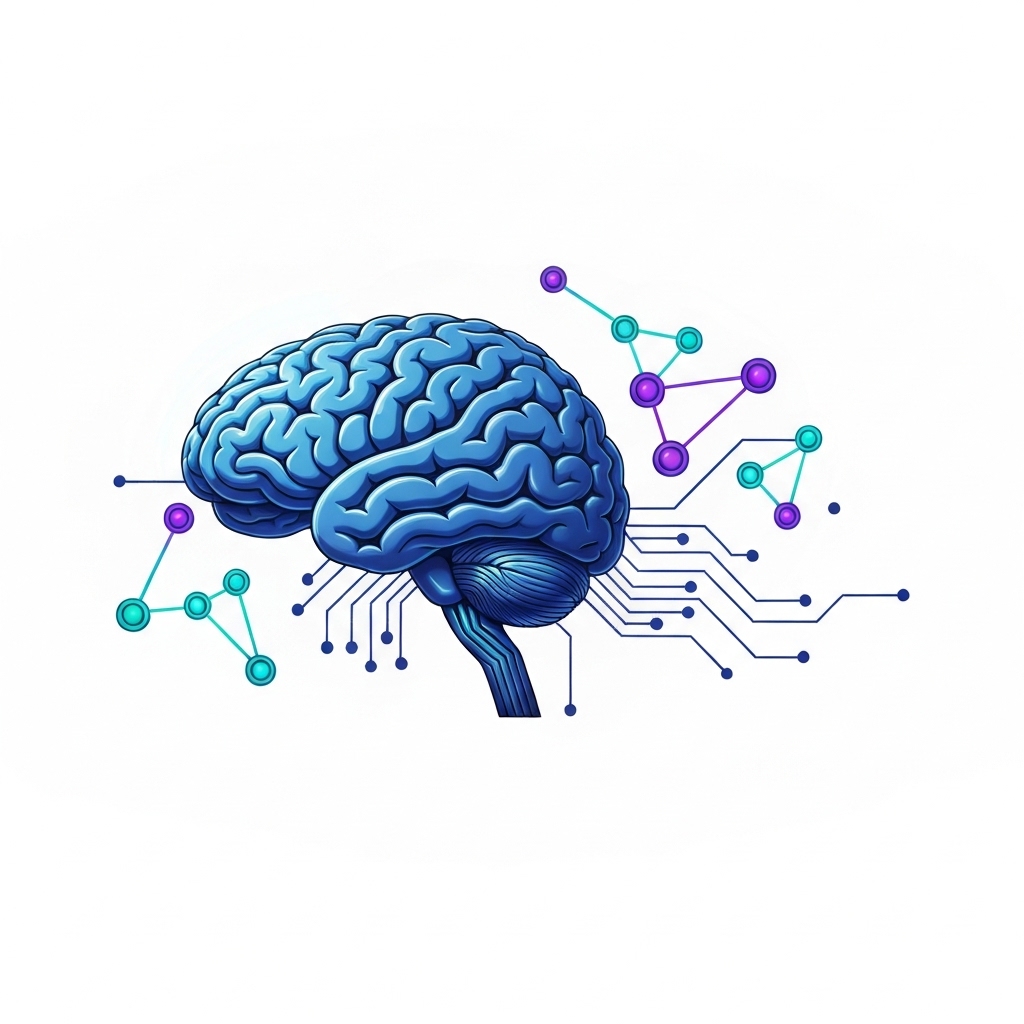
A clean, minimalist illustration on a white background depicting a futuristic AI brain analyzing interconnected data points, symbolizing risk assessment and predictive analytics.
Why AI is Transforming Risk Assessment
Traditional risk assessment methods often rely on manual processes, historical data, and human judgment. While these approaches have their merits, they are increasingly inadequate in today’s complex and dynamic landscape. Here’s why AI is revolutionizing the field:
- Enhanced Accuracy: AI algorithms can analyze vast datasets with precision, identifying patterns and anomalies that humans might miss.
- Real-Time Insights: AI enables continuous monitoring and real-time risk assessment, allowing organizations to respond swiftly to emerging threats.
- Scalability: AI systems can handle large volumes of data, making them ideal for organizations operating across multiple regions or industries.
- Predictive Capabilities: Machine learning models can forecast future risks based on historical and current data, enabling proactive decision-making.
- Cost Efficiency: Automating risk assessment processes reduces the need for manual intervention, saving time and resources.
By integrating AI into your risk management framework, you can achieve a more robust, agile, and forward-looking approach.
Key Applications of AI in Risk Assessment
AI’s versatility makes it applicable across various domains. Here are some key areas where AI is making a significant impact:
1. Financial Risk Assessment
In the financial sector, AI is used to:
- Detect Fraud: Machine learning models analyze transaction data to identify suspicious patterns and prevent fraudulent activities.
- Credit Scoring: AI algorithms assess borrower creditworthiness by analyzing alternative data sources, such as social media activity and spending habits.
- Market Risk Prediction: Natural Language Processing (NLP) tools analyze news articles, social media, and economic reports to predict market fluctuations.
2. Operational Risk Management
AI helps organizations identify and mitigate operational risks by:
- Monitoring Supply Chains: AI-powered tools track supply chain disruptions in real-time, ensuring business continuity.
- Predictive Maintenance: Machine learning models analyze equipment data to predict failures before they occur, reducing downtime and costs.
3. Cybersecurity
In the realm of cybersecurity, AI is a powerful ally:
- Threat Detection: AI systems analyze network traffic to identify and neutralize cyber threats in real-time.
- Vulnerability Assessment: AI tools scan systems for weaknesses, helping organizations proactively address potential security breaches.
4. Compliance and Regulatory Risk
AI streamlines compliance processes by:
- Automating Audits: AI-powered tools review documents and transactions to ensure compliance with regulations.
- Monitoring Regulatory Changes: NLP algorithms analyze legal documents and news to keep organizations updated on regulatory shifts.
How to Implement AI for Better Risk Assessment
Integrating AI into your risk assessment processes requires a strategic approach. Here’s a step-by-step framework to guide your implementation:
Step 1: Define Your Objectives
Start by identifying the specific risks you want to address and the outcomes you aim to achieve. For example:
- Reduce financial fraud.
- Improve supply chain resilience.
- Enhance cybersecurity threat detection.
Step 2: Gather and Prepare Data
AI models rely on high-quality data to deliver accurate insights. Ensure your data is:
- Relevant: Collect data that directly relates to the risks you’re assessing.
- Clean: Remove duplicates, errors, and inconsistencies.
- Comprehensive: Include historical and real-time data for better predictive accuracy.
Step 3: Choose the Right AI Tools
Select AI technologies that align with your objectives. Common tools include:
- Machine Learning (ML): For predictive analytics and pattern recognition.
- Natural Language Processing (NLP): For analyzing unstructured data like text and documents.
- Robotic Process Automation (RPA): For automating repetitive tasks in risk assessment.
Step 4: Develop and Train Models
Build AI models tailored to your specific risk assessment needs. Use historical data to train the models and validate their accuracy. Consider collaborating with data scientists or AI experts for optimal results.
Step 5: Integrate AI into Your Workflow
Seamlessly integrate AI tools into your existing risk management processes. Ensure your team is trained to use the new systems effectively.
Step 6: Monitor and Optimize
Continuously monitor the performance of your AI models and make adjustments as needed. Regularly update the models with new data to maintain their accuracy and relevance.
Best Practices for Using AI in Risk Assessment
To maximize the benefits of AI, follow these best practices:
- Start Small: Pilot AI solutions on a small scale before rolling them out organization-wide.
- Ensure Transparency: Use explainable AI models to understand how decisions are made, especially in regulated industries.
- Prioritize Data Security: Protect sensitive data used in AI models to maintain trust and compliance.
- Collaborate Across Teams: Involve stakeholders from IT, risk management, and business units to ensure alignment.
- Stay Updated: Keep abreast of advancements in AI and risk management to leverage the latest tools and techniques.
Challenges and How to Overcome Them
While AI offers immense potential, its implementation is not without challenges. Here’s how to address common obstacles:
1. Data Quality Issues
Solution: Invest in data cleaning and validation processes. Use data governance frameworks to ensure consistency and accuracy.
2. High Implementation Costs
Solution: Start with cost-effective AI tools and gradually scale up as you see ROI.
3. Resistance to Change
Solution: Educate your team about the benefits of AI and involve them in the implementation process.
4. Regulatory Compliance
Solution: Work with legal experts to ensure your AI systems comply with relevant regulations.
The Future of AI in Risk Assessment
As AI continues to evolve, its role in risk assessment will only grow. Emerging trends include:
- Explainable AI (XAI): Making AI decisions more transparent and understandable.
- AI-Driven Decision Support: Providing real-time recommendations to risk managers.
- Integration with IoT: Combining AI with Internet of Things (IoT) devices for more granular risk monitoring.
By staying ahead of these trends, organizations can future-proof their risk management strategies and maintain a competitive edge.
Conclusion
AI is not just a tool—it’s a transformative force in risk assessment. By leveraging its capabilities, organizations can achieve greater accuracy, efficiency, and foresight in managing risks. Whether you’re detecting fraud, predicting market trends, or ensuring compliance, AI provides the insights and automation needed to thrive in an uncertain world.
Ready to take your risk assessment to the next level? Start by identifying your key objectives, investing in the right AI tools, and fostering a culture of innovation. The future of risk management is here—and AI is leading the way.