
Understanding the Ansoff Matrix
The Ansoff Matrix is an essential tool for businesses aiming to strategize growth. It provides clarity on how companies can explore new opportunities by examining the interrelation between products and markets. This structured framework helps businesses identify growth strategies by considering both existing and new products in different market contexts.
How to Use the Ansoff Matrix
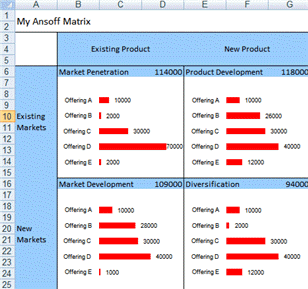
The matrix is divided into four quadrants, each representing a different avenue for business growth:
- Market Penetration: This strategy focuses on increasing sales of existing products in existing markets. For instance, a company might run promotions or enhance product features to attract more customers.
- Market Development: In this quadrant, businesses seek to enter new markets with their existing products. This could involve geographical expansion or targeting different customer segments.
- Product Development: This approach aims at introducing new products to existing markets. Organizations must invest in R&D to create innovative offerings that cater to current customers.
- Diversification: The most complex strategy involves launching new products into new markets. This high-risk route requires thorough market research and understanding of customer needs.
Below is a visual representation of the Ansoff Matrix:
Implementing the Ansoff Matrix in Your Business
To effectively leverage the Ansoff Matrix, consider the following steps:
- Assess Current Position: Evaluate your existing products and markets.
- Identify Opportunities: Use the matrix to highlight which growth strategy aligns best with your goals.
- Create an Action Plan: Detail the steps needed for execution, including resource allocation and timelines.
- Evaluate Risks: Consider potential risks associated with each strategy and devise mitigation plans.
Practical Examples of the Ansoff Matrix
Businesses from various industries have successfully utilized the Ansoff Matrix to drive growth. Here are a few examples:
- Technology Sector: A software company may choose to develop a new app (Product Development) while expanding its reach into international markets (Market Development).
- Food and Beverage: A restaurant chain might introduce a new menu item (Product Development) to appeal to local tastes while deepening its presence in existing locations (Market Penetration).
- Consumer Electronics: A company could launch innovative gadgets while exploring untapped demographic segments (Diversification), thus leveraging both new products and new markets.
Tools to Assist Implementation
The Marketing Manager Toolbox enables marketing managers to outline and analyze the four quadrants effectively. This tool helps visualize and plan for growth by generating charts based on your data. Here’s how to use it:
- Input your current sales data to generate graphs.
- Clearly identify growth alternatives within each quadrant.
- Monitor progress and adjust strategies as required.
Access the Marketing Plan Template to assist in your planning process.
Conclusion
The Ansoff Matrix serves as a robust framework that guides businesses in exploring growth opportunities strategically. By understanding the dynamics of product and market relationships, organizations can make informed decisions that pave the way for successful growth initiatives.
For further information on growth strategies, explore our Small Business Growth Strategy Pack, tailored to provide actionable insights and tools tailored for your success.