Executive Summary
AI is transforming talent management by enabling companies to analyze HR data and identify workforce talent and skills gaps. This article explores how AI can be leveraged to optimize talent acquisition, employee development, and overall workforce performance.
The Power of AI in Talent Management
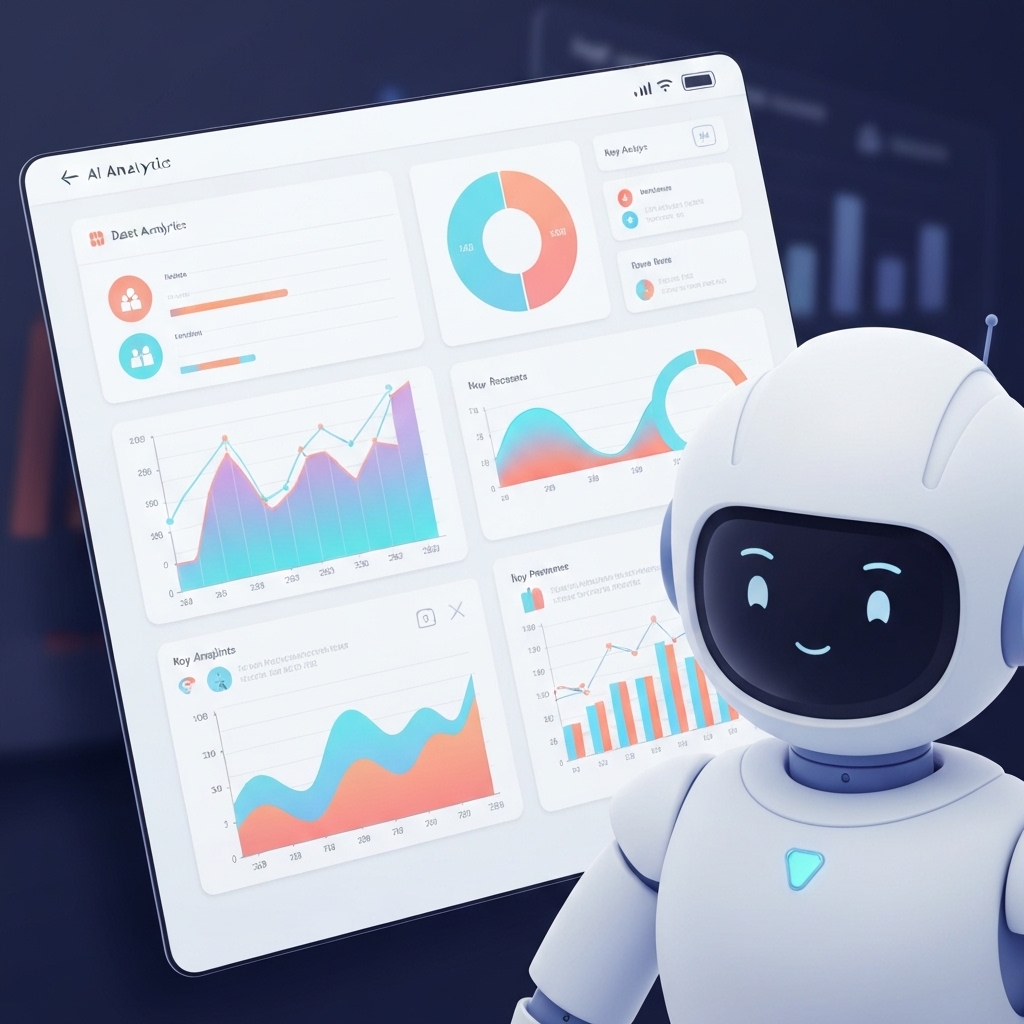
In today’s competitive business landscape, organizations are increasingly turning to AI to gain a strategic edge. One area where AI is making a significant impact is talent management. By leveraging AI-powered analytics, companies can unlock valuable insights from their HR data, leading to more informed decision-making and improved workforce performance.
Identifying Talent Gaps
AI algorithms can analyze vast amounts of employee data, including performance metrics, skill sets, and career trajectories. This analysis helps identify talent gaps within the organization, allowing HR professionals to make data-driven decisions about recruitment and talent acquisition. For example, AI can highlight specific skill shortages in certain departments, enabling targeted hiring strategies.
Predictive Analytics for Workforce Planning
AI goes beyond identifying current gaps; it can also predict future talent needs. By analyzing historical data and trends, AI models can forecast workforce requirements, helping companies stay ahead of the curve. This predictive capability is invaluable for strategic planning, ensuring that organizations have the right talent in place to meet future business objectives.
Personalized Employee Development
AI-driven talent management extends beyond recruitment. It can also enhance employee development and retention. By understanding individual strengths and weaknesses, AI can provide personalized learning paths and career development plans. This not only improves employee satisfaction but also ensures that the workforce is equipped with the skills needed to drive business success.
Practical Implementation
Implementing AI in talent management requires a strategic approach. Here’s a practical guide to getting started:
- Data Collection and Preparation: Begin by gathering and organizing your HR data. Ensure it is clean, structured, and comprehensive. This data forms the foundation for AI analysis.
- Choose the Right AI Tools: Select AI platforms or tools specifically designed for talent management. Look for solutions that offer customizable analytics and insights tailored to your industry and workforce.
- Define Metrics and Objectives: Clearly define the metrics and objectives you want to track. This could include key performance indicators (KPIs) related to employee productivity, retention rates, or skill development.
- Train and Test: Train your AI models using historical data and test their accuracy. Iterate and refine the models until they provide reliable insights.
- Integrate with HR Processes: Seamlessly integrate AI into your existing HR processes. Ensure that HR professionals are trained to interpret AI-generated insights and take appropriate actions.
Case Study: AI-Driven Talent Acquisition
A leading tech company implemented an AI-powered talent acquisition system to address its growing need for specialized skills. The AI platform analyzed job descriptions, employee profiles, and market trends to identify the most suitable candidates for open positions. As a result, the company experienced a 20% increase in hiring efficiency and a 15% reduction in time-to-fill for critical roles.
Benefits and Considerations
AI in talent management offers numerous advantages, including:
- Improved talent acquisition and retention.
- Enhanced workforce productivity and performance.
- Better alignment of skills with business objectives.
- Data-driven decision-making in HR.
However, it’s essential to consider potential challenges, such as:
- Data privacy and security concerns.
- The need for skilled professionals to interpret AI insights.
- Initial implementation costs and ongoing maintenance.
Final Thoughts
AI is a powerful tool for talent management, offering insights that can transform your workforce. By identifying talent gaps, predicting future needs, and personalizing employee development, organizations can stay ahead of the competition. Remember, successful implementation requires a strategic approach, a focus on data quality, and a commitment to ethical AI practices.