
Discover how AI in Operations Management revolutionizes inventory optimization through predictive analytics. Learn to reduce costs, improve efficiency, and stay ahead in competitive markets with cutting-edge AI solutions.
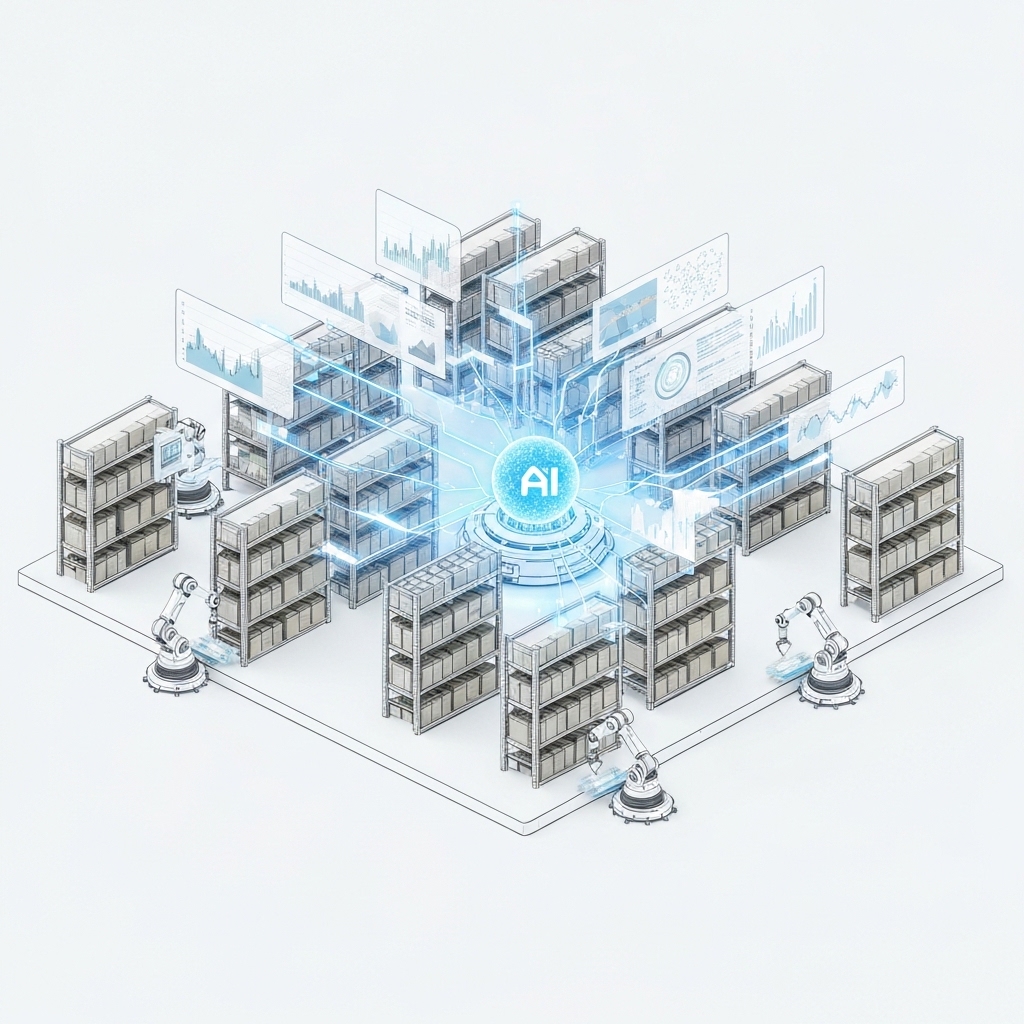
In the fast-paced, data-driven business landscape, operations management is undergoing a transformative shift. At the heart of this revolution is Artificial Intelligence (AI), particularly its application in predictive analytics for inventory optimization. By leveraging AI, businesses can forecast demand with unprecedented accuracy, reduce costs, minimize waste, and enhance overall efficiency. This article explores how AI is reshaping inventory management, the practical strategies to implement it, and the tangible benefits it delivers.
The Challenge of Traditional Inventory Management
Traditional inventory management systems often rely on historical data, manual forecasting, and reactive decision-making. These methods are prone to errors, leading to inefficiencies such as:
- Overstocking: Ties up capital in unsold inventory, increasing storage and maintenance costs.
- Stockouts: Result in lost sales, dissatisfied customers, and damaged brand reputation.
- Manual Forecasting: Time-consuming and lacks the agility to adapt to real-time market changes.
In a competitive market with high customer expectations, such inefficiencies can be costly. AI offers a smarter, proactive approach to inventory optimization.
How AI Revolutionizes Inventory Optimization
AI-powered predictive analytics uses machine learning algorithms to analyze vast amounts of data, including sales trends, customer behavior, and external factors like weather patterns. By identifying patterns, AI predicts future demand with remarkable precision. Here’s how it works:
- Data Collection and Integration: AI systems aggregate data from ERP systems, CRM platforms, IoT sensors, and external databases for a holistic view.
- Demand Forecasting: Machine learning models analyze historical and real-time data to forecast demand by product, location, and time period.
- Inventory Optimization: AI recommends optimal stock levels, reorder points, and safety stock quantities, while identifying slow-moving inventory for liquidation.
- Automated Decision-Making: AI automates routine tasks like placing purchase orders, freeing up human resources for strategic activities.
Key Benefits of AI in Inventory Optimization
Implementing AI-driven predictive analytics offers several advantages:
- Cost Reduction: Minimizes overstocking and stockouts, lowering holding costs and optimizing cash flow.
- Improved Customer Satisfaction: Ensures products are available when and where customers need them.
- Enhanced Efficiency: Automates repetitive tasks, allowing employees to focus on higher-value activities.
- Competitive Advantage: Enables swift responses to market changes, keeping businesses ahead of competitors.
- Sustainability: Reduces excess production and waste, promoting sustainable practices.
Practical Strategies to Implement AI in Inventory Management
Adopting AI for inventory optimization requires a structured approach:
- Assess Current Processes: Identify pain points in your inventory management system to define clear objectives.
- Invest in the Right Technology: Choose scalable AI solutions with robust analytics capabilities, such as IBM Watson or Microsoft Azure AI.
- Ensure Data Quality: Clean, accurate data is essential for reliable predictions. Invest in data governance practices.
- Train Your Team: Equip employees with skills to use AI tools effectively, focusing on data interpretation and decision-making.
- Start Small and Scale Gradually: Begin with a pilot project and expand AI implementation based on positive results.
- Monitor and Iterate: Continuously refine AI models using feedback loops to improve accuracy.
Real-World Examples of AI in Action
Several industry leaders have successfully implemented AI for inventory optimization:
- Amazon: Uses AI to manage inventory, optimize delivery routes, and enhance warehouse operations.
- Walmart: Leverages AI to analyze sales data, weather patterns, and social media trends for real-time inventory adjustments.
- Unilever: Employs AI to optimize its global supply chain, reducing stockouts and improving product availability.
Overcoming Challenges in AI Adoption
While AI offers significant benefits, implementation challenges include:
- High Initial Costs: Investing in AI technology can be expensive, but long-term ROI often justifies the expense.
- Data Privacy Concerns: Ensure compliance with regulations like GDPR and implement robust cybersecurity measures.
- Resistance to Change: Address employee hesitation through transparent communication and change management strategies.
The Future of AI in Operations Management
As AI technology evolves, its role in operations management will expand. Emerging trends include:
- AI-Driven Autonomous Warehouses: Fully automated warehouses with robotic systems managing inventory in real time.
- Integration with IoT: Combining AI with IoT devices for granular data collection and analysis.
- Explainable AI: Developing transparent AI models to build user trust.
AI is not just a tool—it’s a strategic imperative for businesses aiming to thrive in the digital age.
Conclusion
AI-powered predictive analytics is redefining inventory optimization, offering a smarter way to manage operations. By reducing costs, improving customer satisfaction, and enhancing competitiveness, AI enables companies to stay ahead in complex markets.
Ready to transform your inventory management? Start by assessing your processes, investing in the right technology, and fostering a culture of innovation. The future of operations management is here—and it’s powered by AI.