
Unlock operational excellence with AI-enabled procurement. Discover how advanced technologies streamline processes, reduce costs, and drive smarter decision-making for your business.
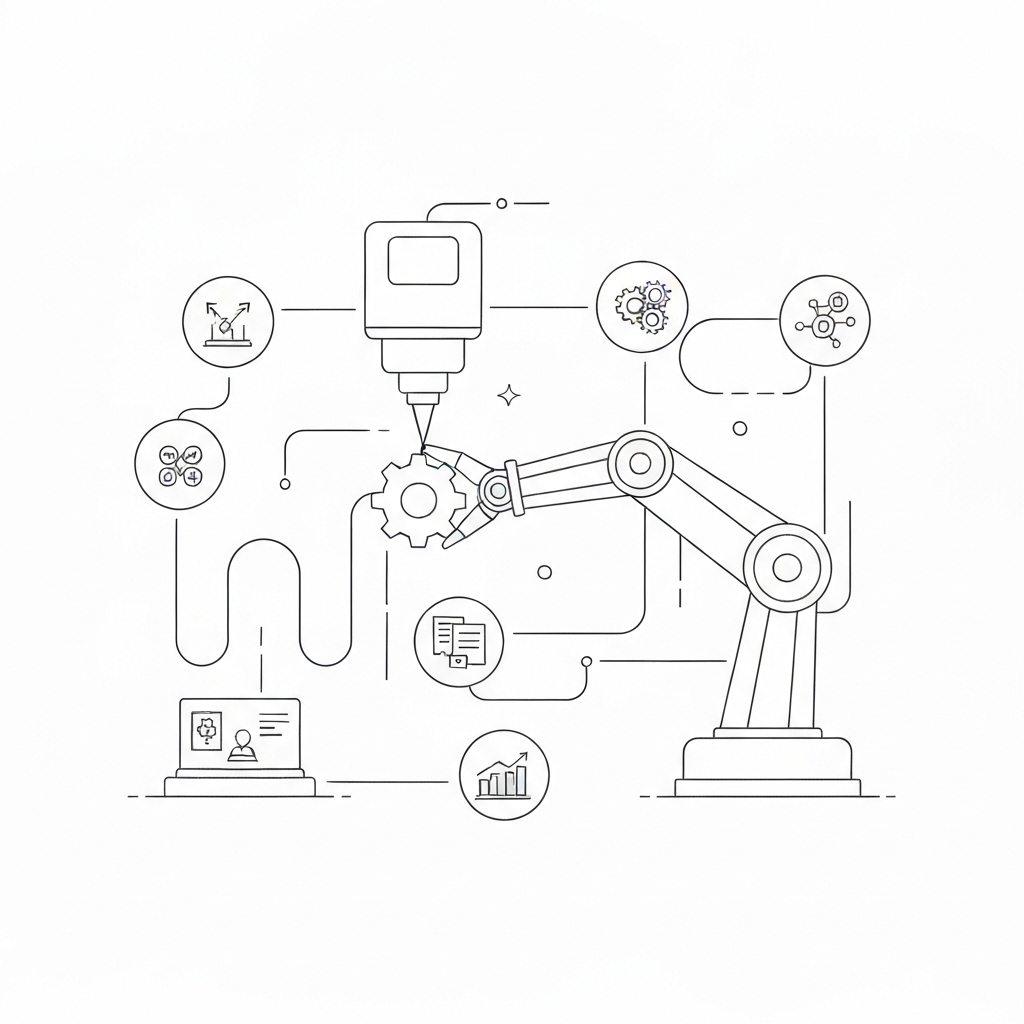
In today’s fast-paced business environment, operational excellence is no longer a luxury—it’s a necessity. As organizations strive to stay competitive, procurement has emerged as a critical function that can drive efficiency, reduce costs, and enhance decision-making. Enter AI-enabled procurement, a transformative approach that leverages advanced technologies to revolutionize how businesses source, manage, and optimize their supply chains.
This article explores how AI-enabled procurement can unlock operational excellence, providing practical strategies, frameworks, and insights that businesses can implement immediately. Whether you’re a procurement professional, a business leader, or an entrepreneur, this guide will help you understand the power of AI in procurement and how to harness it for sustainable success.
What is AI-Enabled Procurement?
AI-enabled procurement refers to the integration of artificial intelligence (AI), machine learning (ML), and other advanced technologies into procurement processes. These tools automate repetitive tasks, analyze vast datasets, and provide actionable insights, enabling procurement teams to make smarter, data-driven decisions.
From supplier selection to contract management, AI transforms every stage of the procurement lifecycle. By reducing manual intervention, minimizing errors, and optimizing workflows, AI-enabled procurement drives efficiency, cost savings, and strategic value for organizations.
Why AI-Enabled Procurement Matters
Procurement is no longer just about buying goods and services—it’s a strategic function that impacts the entire organization. However, traditional procurement processes are often plagued by inefficiencies, such as:
- Manual data entry and processing
- Lack of visibility into supplier performance
- Ineffective spend analysis
- Delayed decision-making due to data silos
AI-enabled procurement addresses these challenges by:
- Automating routine tasks to free up time for strategic initiatives.
- Enhancing data visibility for better decision-making.
- Predicting risks and identifying opportunities in real time.
- Optimizing costs through intelligent spend analysis and negotiation support.
By embracing AI, businesses can transform procurement from a cost center into a value driver, achieving operational excellence in the process.
Key Benefits of AI-Enabled Procurement
1. Streamlined Processes
AI automates repetitive tasks like purchase order processing, invoice matching, and supplier onboarding. For example, AI-powered chatbots can handle routine supplier inquiries, while robotic process automation (RPA) can manage data entry and document processing. This reduces cycle times and allows procurement teams to focus on high-value activities.
2. Cost Reduction
AI analyzes historical spending patterns, identifies cost-saving opportunities, and negotiates better deals with suppliers. Predictive analytics can forecast demand, helping businesses avoid overstocking or stockouts. Additionally, AI can detect anomalies in invoices, preventing fraud and ensuring compliance.
3. Data-Driven Decision-Making
AI processes vast amounts of data from multiple sources, providing actionable insights in real time. For instance, AI can analyze supplier performance metrics, market trends, and geopolitical risks to inform sourcing decisions. This enables businesses to make informed choices that align with their strategic goals.
4. Enhanced Supplier Relationships
AI improves supplier management by monitoring performance, identifying risks, and fostering collaboration. Tools like supplier portals and AI-driven communication platforms enhance transparency and trust, leading to stronger, more productive partnerships.
5. Risk Mitigation
AI identifies potential risks in the supply chain, such as supplier disruptions, geopolitical instability, or financial vulnerabilities. By leveraging predictive analytics, businesses can proactively address these risks and ensure supply chain resilience.
How to Implement AI-Enabled Procurement
Adopting AI in procurement requires a strategic approach. Here’s a step-by-step framework to guide your implementation:
1. Assess Your Current Procurement Processes
Identify pain points, inefficiencies, and areas where AI can add value. Conduct a thorough analysis of your procurement lifecycle, from requisition to payment, to pinpoint opportunities for automation and optimization.
2. Define Clear Objectives
Set measurable goals for your AI-enabled procurement initiative. Whether it’s reducing costs, improving supplier performance, or shortening cycle times, clear objectives will guide your strategy and help you measure success.
3. Choose the Right AI Tools
Select AI solutions that align with your needs and budget. Popular tools include:
- Spend analytics platforms for cost optimization.
- Supplier relationship management (SRM) software for better collaboration.
- Contract management systems for streamlined negotiations.
- Predictive analytics tools for risk management and demand forecasting.
4. Invest in Data Quality
AI relies on high-quality data to deliver accurate insights. Ensure your data is clean, consistent, and accessible by implementing robust data governance practices.
5. Train Your Team
Equip your procurement team with the skills and knowledge to leverage AI effectively. Provide training on AI tools, data analysis, and change management to ensure a smooth transition.
6. Monitor and Optimize
Continuously monitor the performance of your AI-enabled procurement system. Use key performance indicators (KPIs) to track progress and make adjustments as needed to maximize ROI.
Real-World Examples of AI-Enabled Procurement
Several organizations have successfully implemented AI in procurement, achieving remarkable results:
1. Unilever
The consumer goods giant uses AI to analyze supplier data and identify cost-saving opportunities. By leveraging predictive analytics, Unilever reduced its procurement costs and improved supplier performance.
2. IBM
IBM’s AI-powered procurement platform automates purchase order processing, invoice matching, and supplier onboarding. This has reduced cycle times and freed up resources for strategic initiatives.
3. Amazon
Amazon uses AI to optimize its supply chain, from demand forecasting to inventory management. By predicting customer demand with high accuracy, Amazon ensures products are available when and where customers need them.
Challenges and How to Overcome Them
While AI-enabled procurement offers significant benefits, it’s not without challenges. Common obstacles include:
1. Data Privacy and Security
Procurement involves sensitive data, such as supplier contracts and financial information. Ensure your AI systems comply with data protection regulations and implement robust security measures.
2. Resistance to Change
Employees may resist AI adoption due to fear of job displacement or lack of understanding. Address these concerns through transparent communication, training, and showcasing the benefits of AI for both the organization and individuals.
3. Integration with Legacy Systems
Integrating AI tools with existing procurement systems can be complex. Work with IT teams and vendors to ensure seamless integration and minimize disruptions.
4. Cost of Implementation
AI solutions can be expensive, especially for small and medium-sized businesses. Start with pilot projects to demonstrate ROI and gradually scale up as resources allow.
The Future of AI-Enabled Procurement
As AI technology continues to evolve, its impact on procurement will only grow. Emerging trends include:
1. Autonomous Procurement
AI will enable fully automated procurement processes, from requisition to payment, with minimal human intervention.
2. Hyper-Personalization
AI will tailor procurement strategies to individual business needs, leveraging real-time data and advanced analytics.
3. Sustainability Focus
AI will help businesses align procurement with sustainability goals by identifying eco-friendly suppliers and optimizing resource usage.
4. Blockchain Integration
Combining AI with blockchain will enhance transparency, traceability, and security in procurement processes.
Conclusion
AI-enabled procurement is a practical solution for achieving operational excellence. By automating processes, reducing costs, and enabling data-driven decision-making, AI transforms procurement into a strategic asset for businesses.
To unlock the full potential of AI-enabled procurement, start by assessing your current processes, setting clear objectives, and investing in the right tools and talent. With the right strategy and mindset, your organization can harness the power of AI to drive efficiency, innovation, and growth.
Ready to take the first step? The future of procurement is here—and it’s powered by AI.