
Discover how AI-driven financial analysis revolutionizes decision-making with precision, speed, and actionable insights. Unlock smarter strategies for your business today.
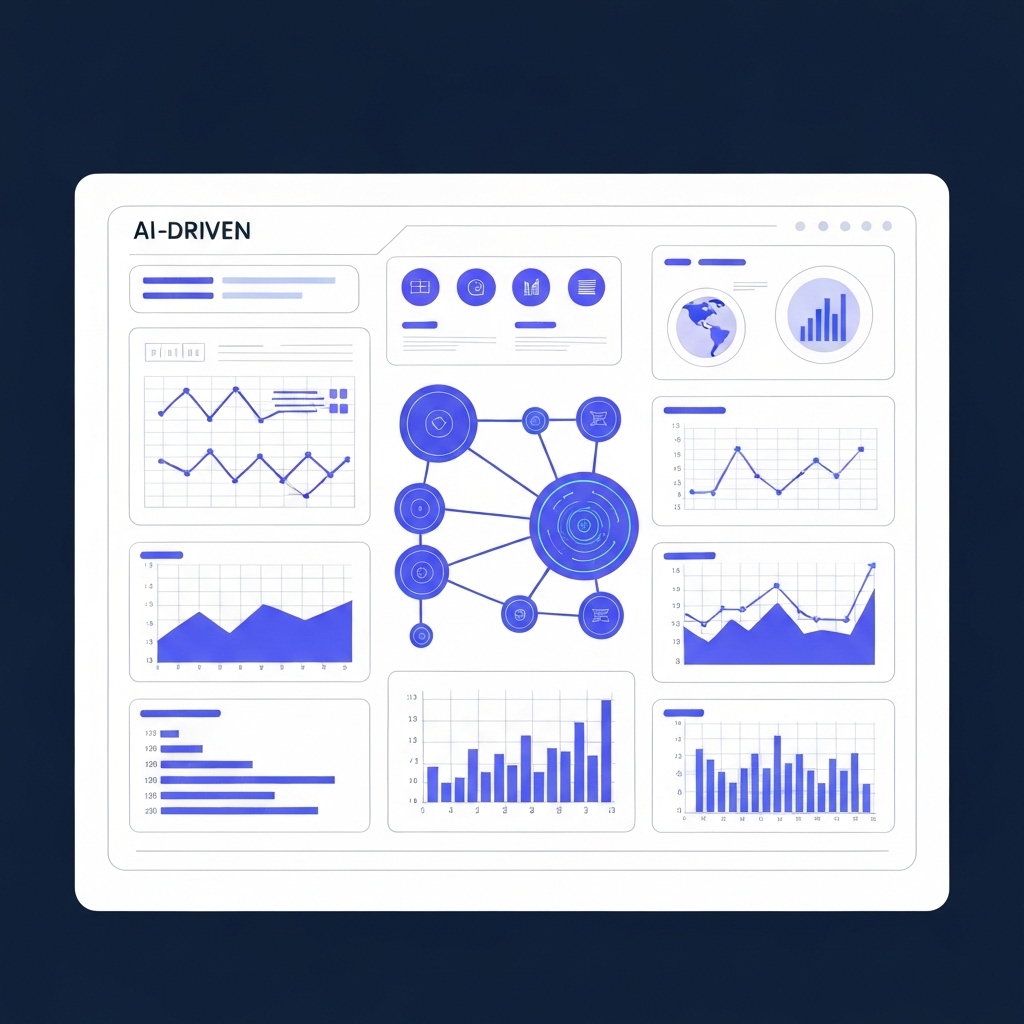
In today’s fast-paced business environment, financial decision-making is more critical—and more complex—than ever. With vast amounts of data being generated every second, traditional methods of financial analysis are no longer sufficient. Enter AI-driven financial analysis, a transformative approach that leverages artificial intelligence to process, interpret, and predict financial data with unprecedented precision and speed. This article explores how AI is revolutionizing financial analysis, enabling smarter, data-backed decisions for businesses of all sizes.
Why AI is the Future of Financial Analysis
Financial analysis has always been about making sense of numbers. However, the sheer volume and complexity of modern financial data—from market trends to customer behavior—have made this task increasingly daunting. AI steps in as a game-changer, offering capabilities that far exceed human limitations.
Here’s why AI is the future of financial analysis:
- Speed and Efficiency: AI algorithms can process millions of data points in seconds, delivering real-time insights.
- Accuracy: Machine learning models reduce human error, ensuring more reliable predictions.
- Predictive Power: AI can identify patterns and trends that are invisible to the human eye, enabling proactive decision-making.
- Scalability: Whether you’re a startup or a multinational corporation, AI tools can adapt to your needs.
By automating repetitive tasks and uncovering hidden insights, AI empowers financial professionals to focus on strategic decision-making rather than data crunching.
How AI-Driven Financial Analysis Works
At its core, AI-driven financial analysis relies on advanced technologies such as machine learning, natural language processing (NLP), and predictive analytics. Here’s a breakdown of the process:
- Data Collection: AI systems gather data from diverse sources, including financial statements, market reports, social media, and economic indicators.
- Data Processing: Raw data is cleaned, structured, and prepared for analysis using algorithms.
- Pattern Recognition: Machine learning models identify trends, anomalies, and correlations within the data.
- Insight Generation: AI translates findings into actionable insights, such as investment opportunities, risk assessments, or cost-saving measures.
- Decision Support: Interactive dashboards and reports present insights in an easy-to-understand format, aiding decision-makers.
For example, AI can analyze historical stock prices and news sentiment to predict market movements, or it can assess a company’s financial health by comparing its performance metrics against industry benchmarks.
Key Applications of AI in Financial Analysis
AI’s versatility makes it a powerful tool across various financial domains. Here are some of its most impactful applications:
1. Risk Management
AI models can assess credit risk, market risk, and operational risk with greater accuracy than traditional methods. By analyzing historical data and real-time indicators, AI helps businesses anticipate potential threats and take preventive measures.
2. Investment Strategies
Hedge funds and asset managers are using AI to optimize portfolios, identify undervalued assets, and execute trades at the optimal time. AI-powered robo-advisors are also democratizing investment advice, making it accessible to retail investors.
3. Fraud Detection
Financial fraud is a growing concern, but AI can detect suspicious patterns and anomalies in transactions, flagging potential fraud before it causes significant damage.
4. Budgeting and Forecasting
AI enhances budgeting by analyzing spending patterns and predicting future expenses. It also improves forecasting accuracy by considering external factors like economic trends and geopolitical events.
5. Customer Insights
By analyzing customer data, AI helps financial institutions tailor their products and services to meet specific needs, improving customer satisfaction and retention.
Benefits of AI-Driven Financial Analysis
Adopting AI in financial analysis offers a multitude of benefits:
- Enhanced Decision-Making: Data-driven insights reduce uncertainty and improve the quality of decisions.
- Cost Savings: Automation reduces the need for manual labor, cutting operational costs.
- Competitive Advantage: Businesses that leverage AI can stay ahead of the curve in a rapidly evolving market.
- Improved Compliance: AI ensures adherence to regulatory requirements by monitoring transactions and identifying potential violations.
- Personalization: AI enables tailored financial solutions, enhancing customer experience and loyalty.
Challenges and Considerations
While AI offers immense potential, its implementation is not without challenges:
- Data Quality: AI models rely on high-quality data. Poor or incomplete data can lead to inaccurate insights.
- Ethical Concerns: Bias in AI algorithms can result in unfair decisions, particularly in areas like credit scoring.
- Security Risks: As AI systems handle sensitive financial data, they become targets for cyberattacks.
- Skill Gap: Financial professionals need training to effectively use and interpret AI-driven insights.
To overcome these challenges, businesses must invest in robust data infrastructure, ethical AI practices, and employee upskilling.
Real-World Examples of AI in Financial Analysis
Several companies are already reaping the benefits of AI-driven financial analysis:
- JPMorgan Chase: The bank uses AI to analyze legal documents, saving thousands of hours of manual work.
- BlackRock: The world’s largest asset manager employs AI to optimize investment strategies and assess market risks.
- PayPal: AI-powered fraud detection systems help PayPal protect millions of transactions daily.
These examples highlight the tangible impact of AI on financial operations and decision-making.
How to Implement AI in Your Financial Analysis
Ready to embrace AI-driven financial analysis? Here’s a step-by-step guide to get started:
- Define Objectives: Identify specific areas where AI can add value, such as risk management or customer insights.
- Choose the Right Tools: Select AI platforms or software that align with your needs and budget.
- Ensure Data Readiness: Clean and organize your data to maximize the effectiveness of AI models.
- Collaborate with Experts: Partner with data scientists or AI consultants to implement and optimize solutions.
- Monitor and Iterate: Continuously evaluate AI performance and refine models based on feedback.
The Future of AI in Financial Analysis
As AI technology evolves, its role in financial analysis will only grow. Emerging trends like explainable AI (XAI), quantum computing, and decentralized finance (DeFi) are poised to further transform the landscape. Businesses that embrace these innovations will be better equipped to navigate the complexities of the modern financial world.
Conclusion
AI-driven financial analysis is not just a trend—it’s a necessity in today’s data-driven economy. By harnessing the power of AI, businesses can unlock smarter, faster, and more accurate decision-making, gaining a competitive edge in the process. Whether you’re looking to optimize investments, mitigate risks, or enhance customer experiences, AI offers the tools to achieve your goals.
The future of finance is here. Are you ready to embrace it?