
Executive Summary
82% of small businesses fail due to cash flow problems (U.S. Bank). This guide reveals 20 actionable strategies to organize financial systems, prevent late payments, and maintain healthy cash reserves. Focus on daily tracking, automation, and KPI monitoring to transform chaotic finances into a strategic asset.
Track Cash Flow Daily
Record every transaction immediately using simple tools like Excel or QuickBooks. Calculate daily liquidity with: Starting Balance + Income – Expenses = Ending Balance. Example: A bakery tracking $500 daily sales vs. $300 ingredient costs identifies weekly profit patterns.
Use Separate Bank Accounts
Maintain distinct accounts for operating expenses, taxes, and emergency funds. A freelance designer might allocate 30% of invoices to a VAT account, avoiding end-of-year cash shortages.
Set Clear Payment Terms
Specify due dates (e.g., “Net 15”) and offer early payment discounts. A B2B supplier could reduce average payment delays from 45 to 20 days by offering 2% off invoices paid within 10 days.
Automate Invoicing
Use platforms like FreshBooks to schedule recurring bills and late payment reminders. A SaaS company automated dunning processes, cutting accounts receivable delays by 60%.
Monitor Fixed & Variable Costs
Categorize expenses: Fixed (rent) vs. variable (materials). A manufacturer reduced variable costs by 18% after tracking utility usage per production batch.
Adopt Zero-Based Budgeting
Justify every expense monthly. A marketing agency eliminated $2,000/month in unused SaaS tools through this approach.
Forecast Quarterly
Project 90-day cash needs using historical data. A retailer uses seasonal sales patterns to pre-arrange $50,000 lines of credit before holiday inventory purchases.
Negotiate Supplier Terms
Request extended payment windows. A restaurant secured Net 30 terms from food distributors, freeing $15,000 working capital monthly.
Review Financial Reports Weekly
Analyze profit/loss statements and balance sheets. A tech startup discovered 40% of time was wasted on low-margin clients through this practice.
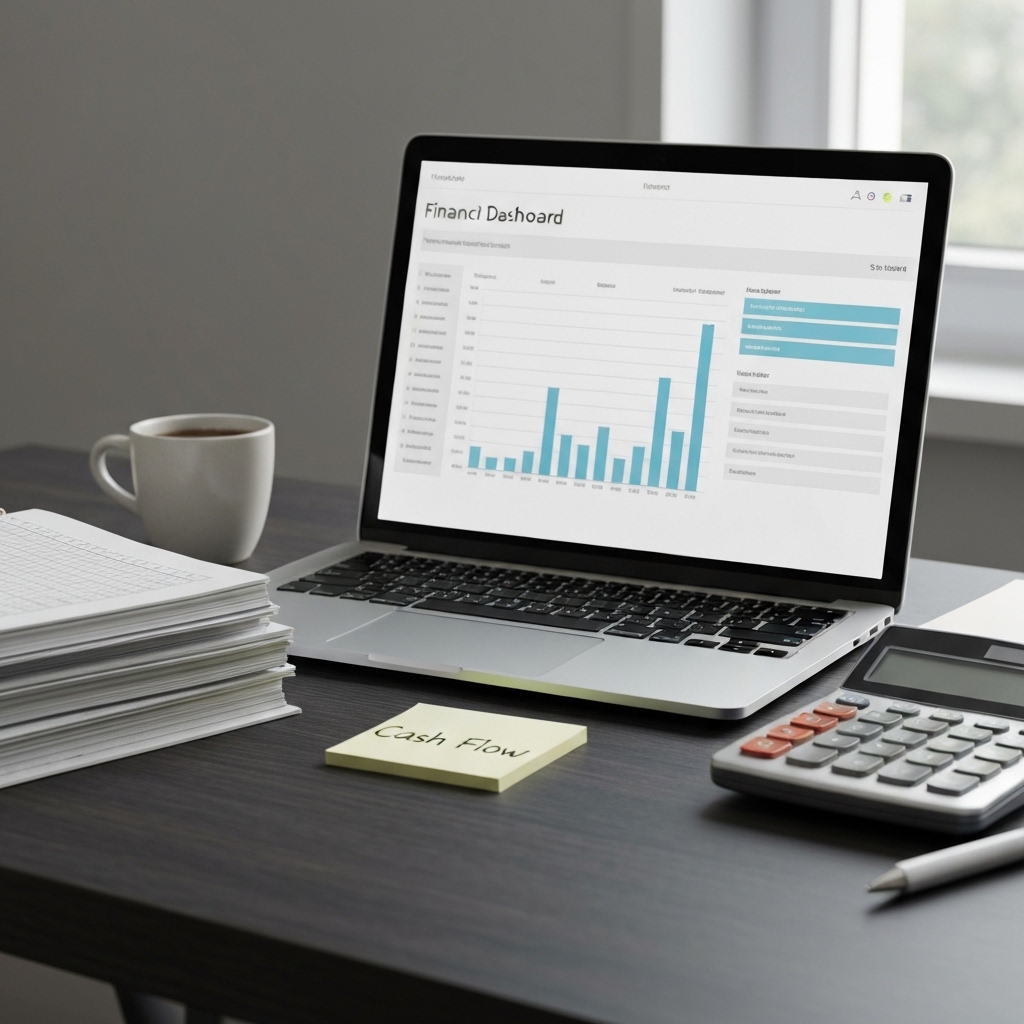
Implement Cash Flow Dashboards
Visualize KPIs like “Accounts Receivable Turnover” on real-time dashboards. A logistics firm reduced overdue invoices by 35% after tracking this metric.
Create Emergency Reserves
Allocate 10-15% of profits to a rainy day fund. A contractor survived a 3-month construction delay using reserves built through this discipline.
Stay Tax-Compliant
Set aside 25-30% of income for taxes. An e-commerce business avoids penalties by automating quarterly tax transfers.
Manage Debt Strategically
Prioritize high-interest loans. A retailer paid off a 12% APR credit card before tackling a 5% equipment loan, saving $4,200 annually.
Check Customer Credit Scores
Run credit reports before extending payment terms. A wholesaler avoided $20,000 in bad debt by rejecting a risky client.
Optimize Inventory Levels
Use “Just-In-Time” ordering. A fashion brand reduced holding costs by 28% through demand-based purchasing.
Renegotiate Contracts Annually
Review vendor agreements yearly. A SaaS company saved $12,000/month renegotiating cloud hosting fees.
Train Staff on Financial Goals
Educate teams about cash flow impact. Sales reps at a manufacturing firm started negotiating better payment terms after training sessions.
Conduct Process Audits
Quarterly reviews identify inefficiencies. An accounting firm eliminated redundant approval steps, speeding up invoice processing by 5 days.
Adjust Strategies Monthly
Test 2-3 methods quarterly. A cafe switched from daily cash deposits to biweekly transfers, improving online payment accuracy.
Action Plan
Start with daily cash tracking and automate invoicing. Pick 3-5 strategies to implement this week. Revisit your cash flow dashboard monthly to adjust tactics.